
◂ BACK TO GEM ENCYCLOPEDIA
Alexandrite
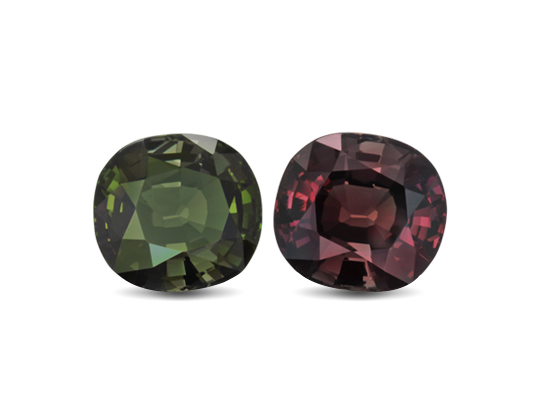
Green in sunlight. Red in lamplight. Color-changing alexandrite is nature’s magic trick.
See Gem As
Tools
Research
Spring 2004 Gem News International
A compilation of gem news from around the world, covering topics such as localities, unusual gem materials, market news, new products, discoveries, jewelry manufacturing techniques, and industry trends.
Spring 1991 G&G Lab Notes
This section, from the Spring 1991 issue of Gems & Gemology, is a compilation of interesting finds from GIA’s laboratories.
Chrysoberyl and Alexandrite from the Pegmatite Districts of Minas Gerais, Brazil
Mining fine cat's-eye chrysoberyl and alexandrite in Brazil.
Gemstones with Alexandrite Effect
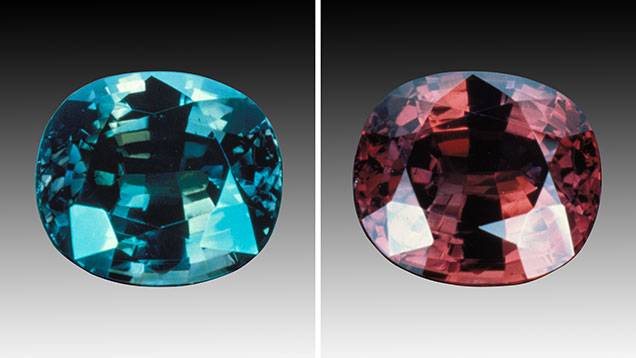
The term "alexandrite effect" refers to the apparent change of color in certain minerals from blue-green or greenish violet in daylight to red or reddish violet in incandescent light.
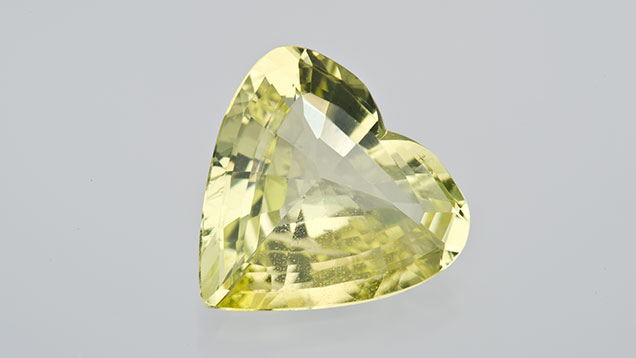
GIA's Gübelin Gem Project: Various Gems, Barite - Cuprite
Among the collection assembled by Dr. Edward Gübelin are a number of uncommon gemstones from many worldwide localities.
Alexandrite Description
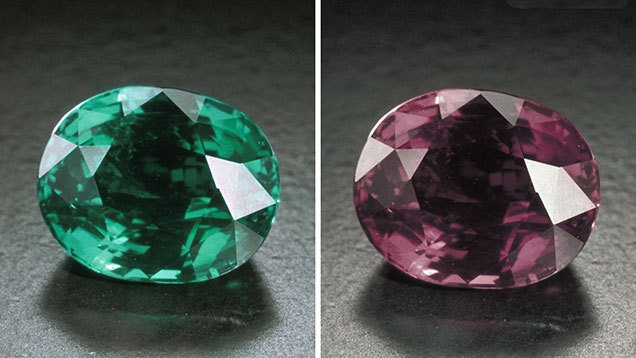
Alexandrite, with its chameleon-like qualities, is a rare variety of the mineral chrysoberyl. Its color can be a lovely green in daylight or fluorescent light, changing to brownish or purplish red in the incandescent light from a lamp or candle flame.
Alexandrite History and Lore
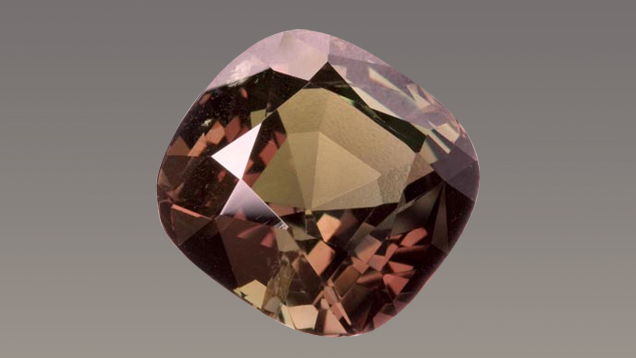
The gem was named after the young Alexander II, heir apparent to the throne. It caught the country’s attention because its red and green colors mirrored the Imperial Russian flag.
Alexandrite Care and Cleaning Guide
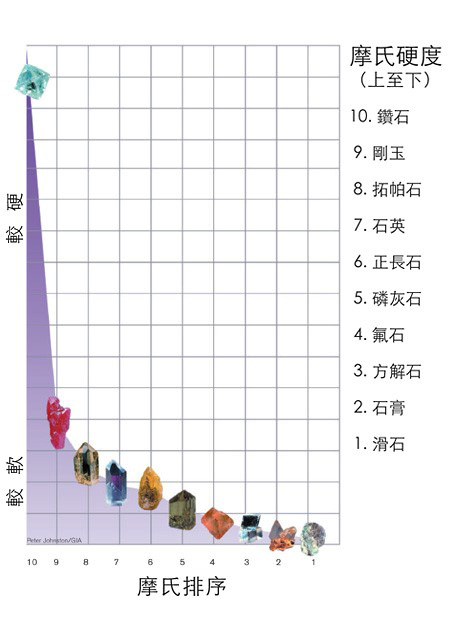
Learn about alexandrite's durability and how to care for your alexandrite jewelry.
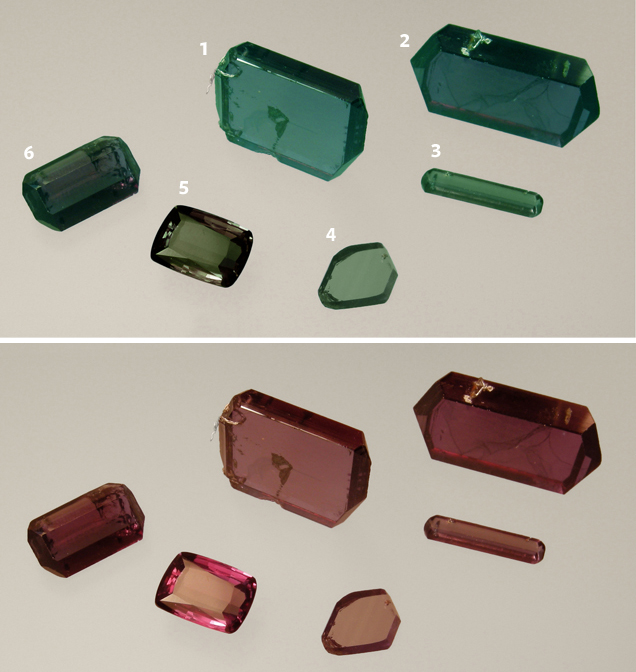
Decades-Old Synthetic Alexandrite Sheds Light on Modern Research Needs
An overview and commentary on the 2012 Journal of Gemmology article, “Flux-grown synthetic alexandrites from Creative Crystals Inc.”
Inamori Synthetic Cat's-Eye Alexandrite
This article reports on a detailed gemological examination of this new synthetic cat's-eye alexandrite.