
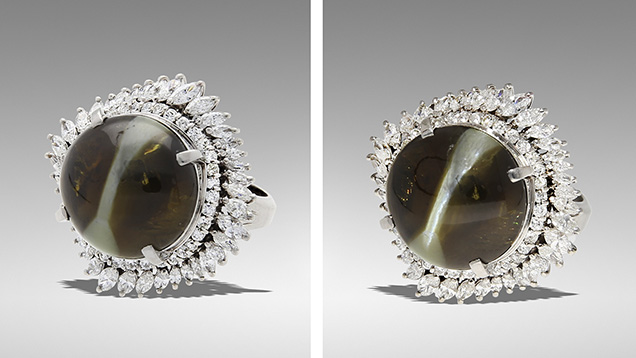
Color-Zoned Cat’s-Eye Chrysoberyl
The Tokyo lab recently identified a unique localized distribution of cloud-like inclusions in a chrysoberyl.
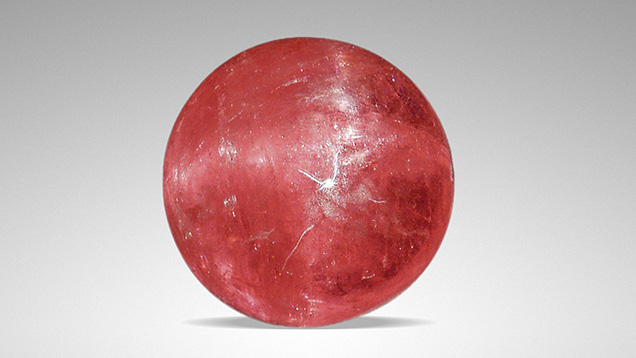
Star Rhodochrosite
The Carlsbad lab received a rhodochrosite cabochon featuring rhomboid-shaped fluid inclusions, causing a four-rayed star.
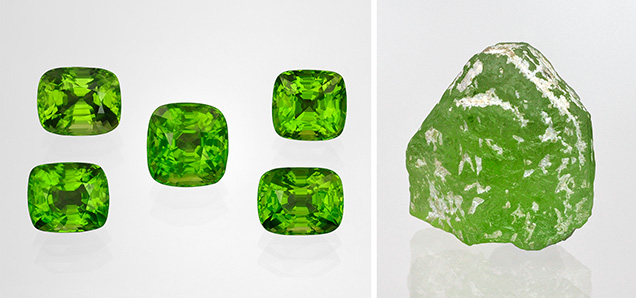
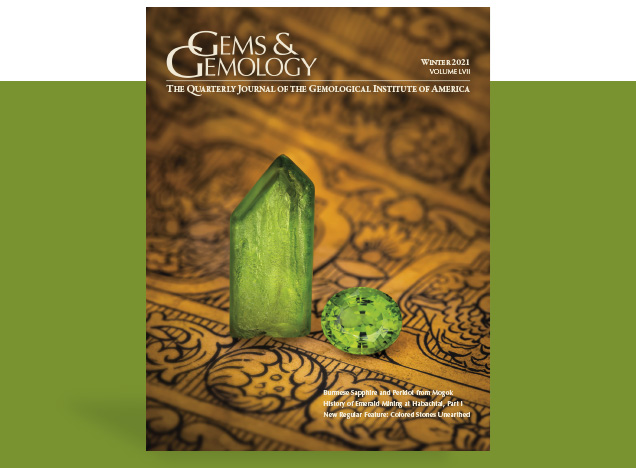
Gemological Characterization of Peridot from Pyaung-Gaung in Mogok, Myanmar
Examines the mining and the internal, spectroscopic, and chemical features of peridot from this deposit, which possesses a rich olive green color and is available in large sizes.
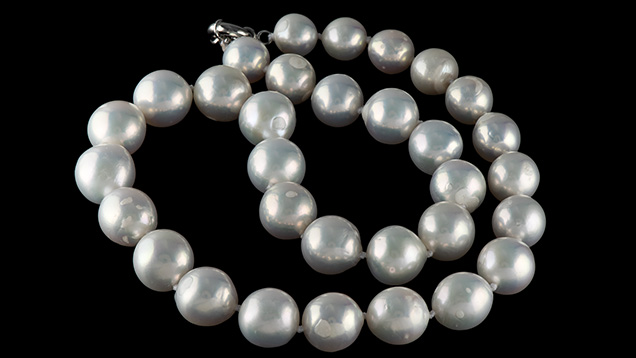
Vaterite Found on a Strand of Freshwater Cultured Pearls
An unusual formation of vaterite was identified on the surface of numerous freshwater cultured pearls throughout a single strand.
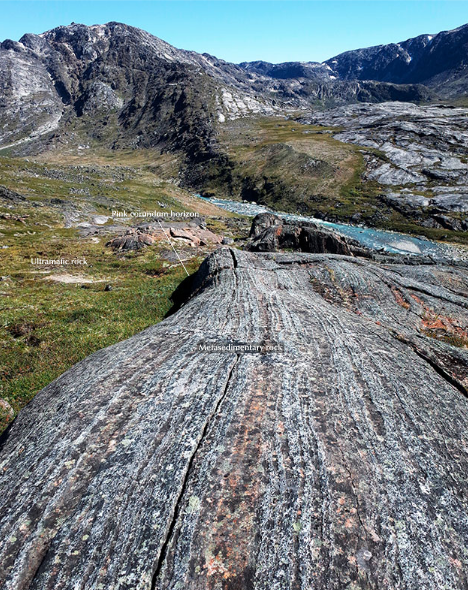
Biogenic Carbon in Pink Corundum from Southern West Greenland
Recent studies of pink corundum in Greenland suggest that the presence of graphite created the conditions that facilitated corundum formation.
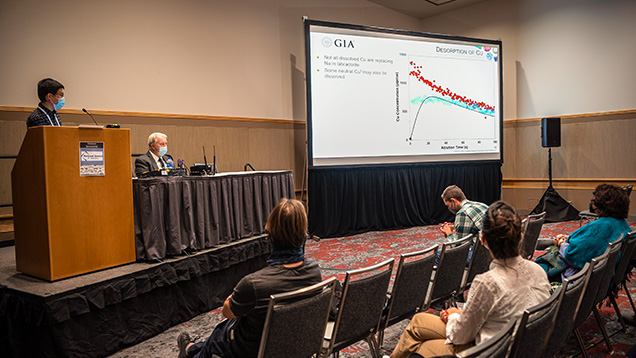
GSA Meeting – GIA Session
An overview of GIA’s presentations at the annual Geological Society of America (GSA) meeting held in Portland, Oregon.
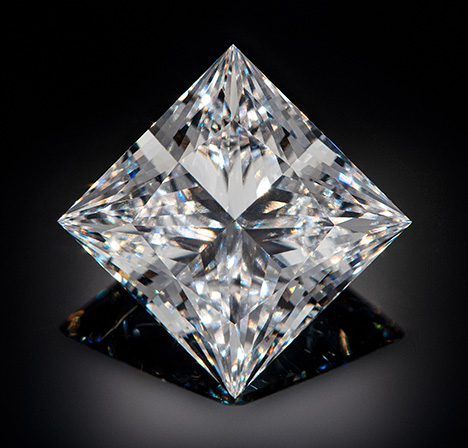
CVD实验室培育钻石大小刷新世界纪录
GIA 任命 Richard Pesqueira(理查德·佩斯凯拉)为业务发展副总裁
加利福尼亚州卡尔斯巴德 – 12 月 16 日(星期四) – 作为宝石学研究、教育以及以科学为基础的宝石鉴定与分级服务领导者,GIA(美国宝石研究院)目前正在大力发展其卓越的服务体系和员工队伍,致力于向全球主要品牌和零售商提供创新产品。

GIA权威评级, 为挚爱守护一生 甄选一颗由GIA专家精心鉴定的钻石
加利福尼亚州卡尔斯巴德 – 2021 年 12 月 2 日 – 给人们的生活带来喜悦的钻石以及 GIA 的钻石分级专家报告所激发的信心是 GIA 十多年来首次全球消费者营销活动的核心。
GIA权威评级, 为挚爱守护一生 甄选一颗由GIA专家精心鉴定的钻石
加利福尼亚州卡尔斯巴德 – 2021 年 12 月 2 日 – 给人们的生活带来喜悦的钻石以及 GIA 的钻石分级专家报告所激发的信心是 GIA 十多年来首次全球消费者营销活动的核心。
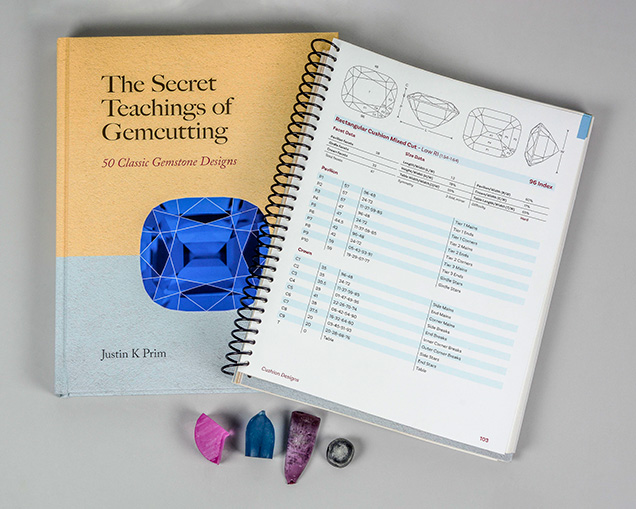
Book Review: The Secret Teachings of Gemcutting: 50 Classic Gemstone Designs
Review of The Secret Teachings of Gemcutting: 50 Classic Gemstone Designs, by Justin K. Prim.

GIA Board Meets to Set Priorities; Welcomes New Governors
CARLSBAD, Calif. – Nov. 17, 2021 – The GIA Board of Governors held their first in-person meeting in two years, Nov. 5 – 8, in Carlsbad, California.
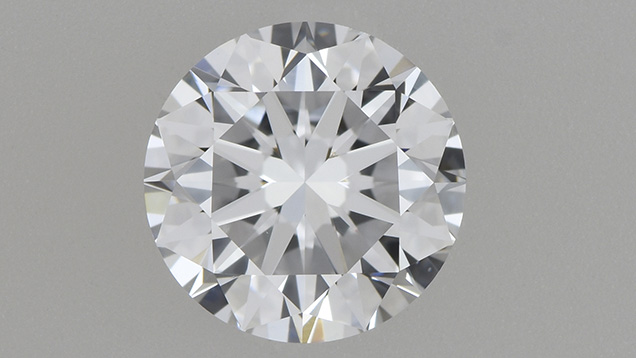
HPHT-Processed Diamond with Counterfeit GIA Inscription
Careful comparison of two GIA reports reveals a fraudulent inscription on a laboratory-produced diamond presented as a natural.
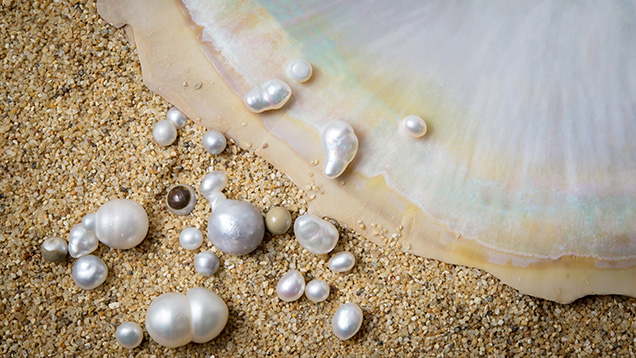
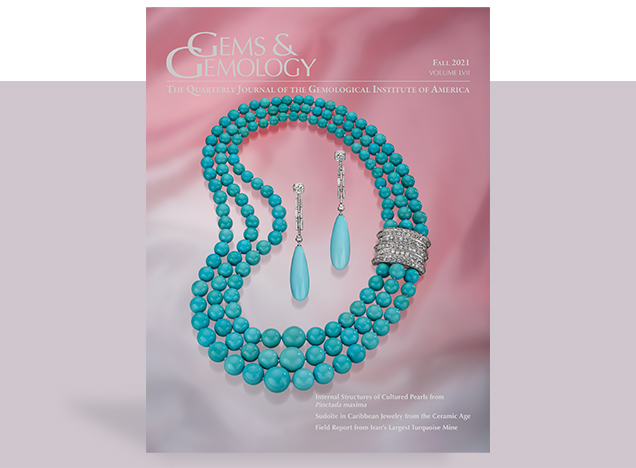
Internal Structures of Known Pinctada maxima Pearls: Cultured Pearls from Operated Marine Mollusks
A selection of 74 non-bead cultured and 12 bead cultured pearls grown in cultured pearl sacs and harvested directly from operated mollusks were collected and their internal structures examined using real-time microradiography and X-ray computed microtomography analyses.
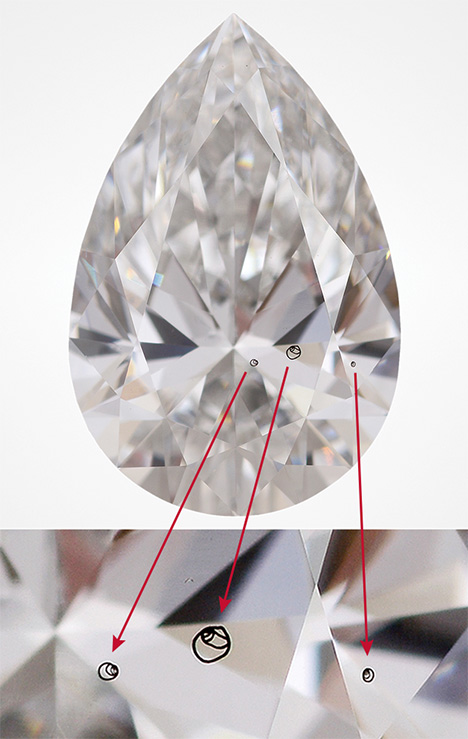
Laboratory-Grown Diamond with Internal Laser Markings
Accidental laser damage likely caused unusual internal spiral markings in a 2.44 ct CVD-grown diamond.
Zircon with Unusual Color-Change Behavior
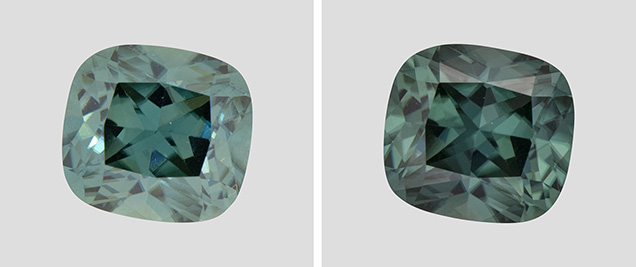
The Carlsbad laboratory recently had the chance to examine a 4.60 ct cushion-cut zircon with truly unusual color behavior.
Faceted Octahedral Diamond with Octahedral-Shaped Inclusion
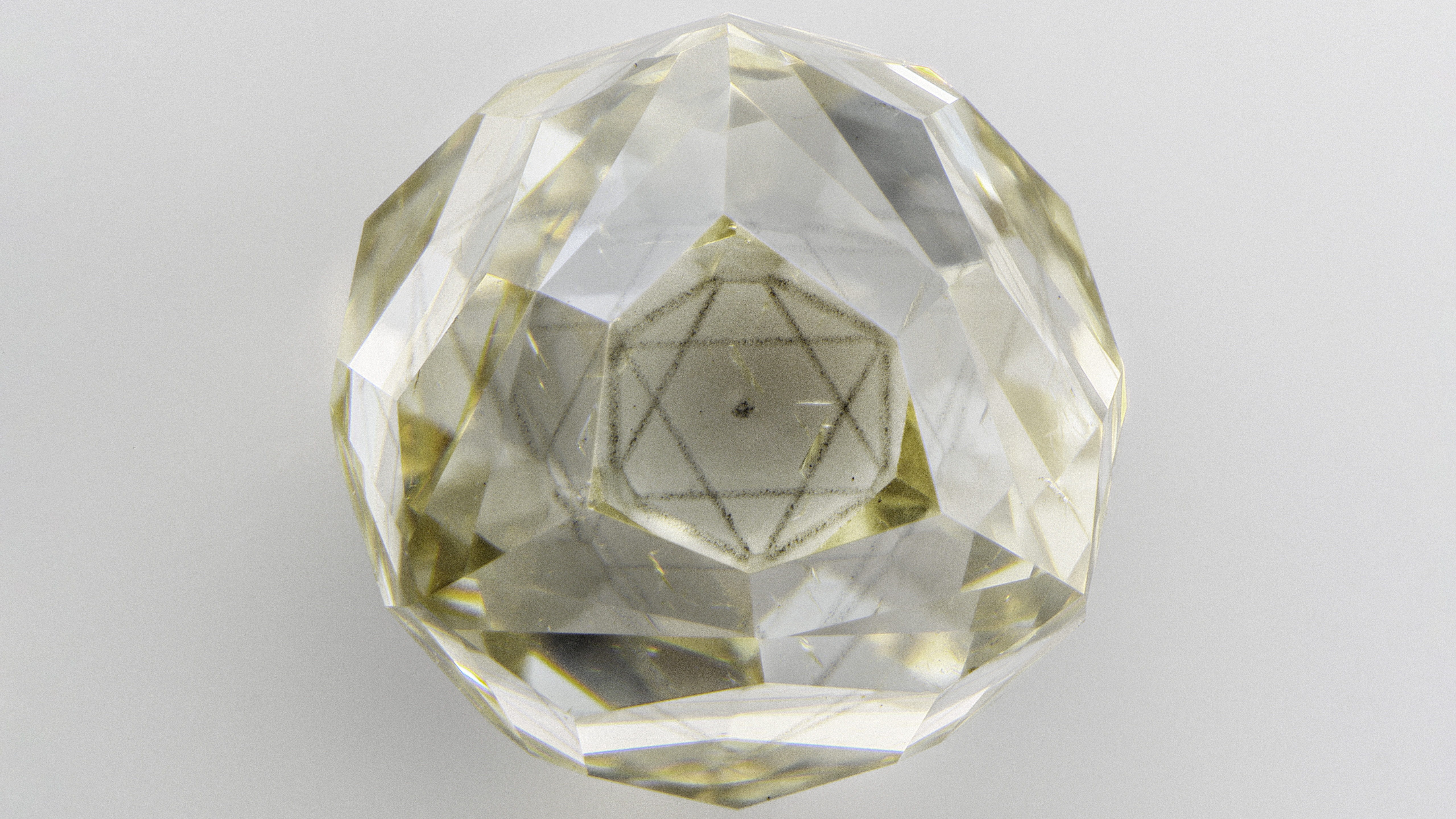
Creative faceting highlights an octahedral-shaped cloud inclusion in a 2.01 ct diamond octahedron.
New CVD Material Submitted for Analysis (英语)
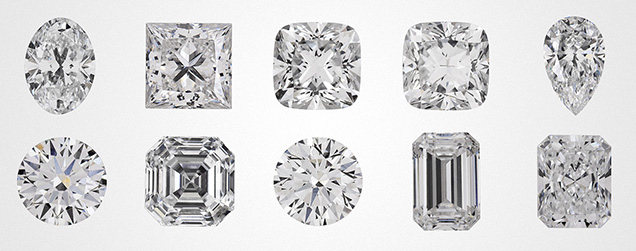
A group of large, high-quality CVD material demonstrates the continued challenge of identifying laboratory-grown gems.
.jpg "YMAL GIA Ed")