Ruby and Sapphire from the Tan Huong-Truc Lau Area, Yen Bai Province, Northern Vietnam
Primary and secondary deposits in the Tan Huong–Truc Lau area of northern Vietnam’s Yen Bai Province have supplied rubies and some sapphires for more than a decade.
Tsavorite and Other Grossulars from Itrafo, Madagascar
Since 2002, tsavorite and other grossular varieties have been recovered from a primary deposit at Itrafo, a village in the Andrembesoa area of central Madagascar.
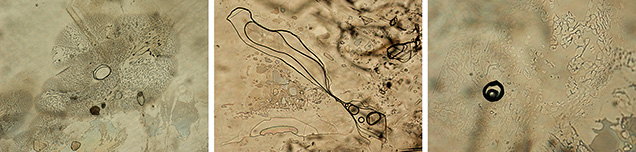
Glassy Melt Inclusions in Sapphires from Montana
Two-phase inclusions are investigated in alluvial sapphires from deposits in Montana.
The Gujar Killi Emerald Deposit, Northwest Frontier Province, Pakistan
Over the last decade, Pakistan has developed into an important source for many gem materials. A number of localities have been identified for emeralds in particular.
A Historic Turquoise Jewelry Set Containing Fossilized Dentine (Odontolite) and Glass
Investigating a set of six antique brooches set with diamonds and light blue cabochons.
“Paraíba”-Type Copper-Bearing Tourmaline from Brazil, Nigeria, and Mozambique: Chemical Fingerprinting By LA-ICP-MS
Gem-quality bright blue to green “Paraíba”-type Cu-bearing tourmaline is now known from deposits in Africa (Nigeria and Mozambique), in addition to three commercial localities in Brazil (in Paraíba and Rio Grande do Norte States).
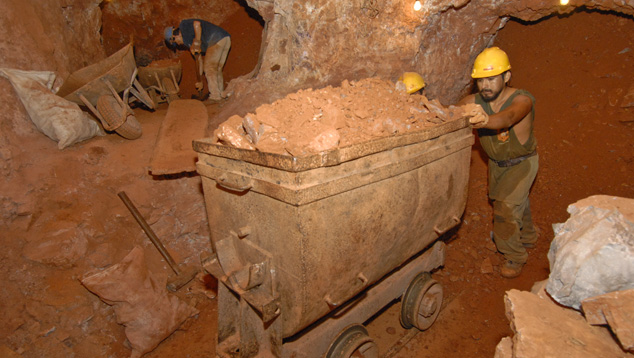
Anahí’s “New” Ametrine
The Anahí mine in southeastern Bolivia has enjoyed consistent production since 1990 and is best known for its ametrine.
Gray-To-Blue-To-Violet Hydrogen-Rich Diamonds from the Argyle Mine, Australia
The Santa Terezinha De Goias Emerald Deposit
Emeralds of the Panjshir Valley, Afghanistan
Abstracts; Spring 1994
This article, from the Spring 1994 issue of Gems & Gemology, is a compilation of abstracts of important gemology-related articles published outside of Gems & Gemology.
The Anahí Ametrine Mine, Bolivia
Aquamarine from the Thuong Xuan District, Thanh Hoa Province, Vietnam
Characterization of Colorless Coated Cubic Zirconia (Diamantine)
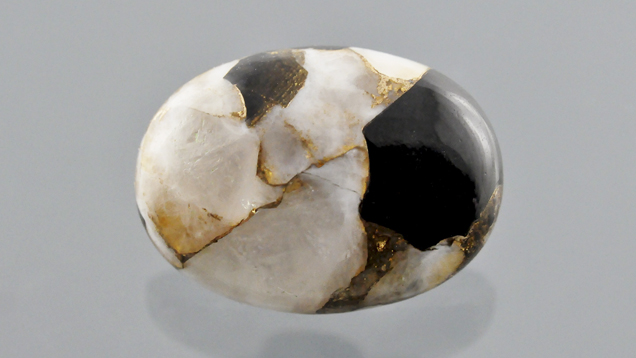
An Opal-Calcite Composite
From Single Source to Global Free Market: The Transformation of the Cultured Pearl Industry
Over the past 15 years a combination of market forces, environmental events, and scientific research has radically changed the cultured pearl industry.
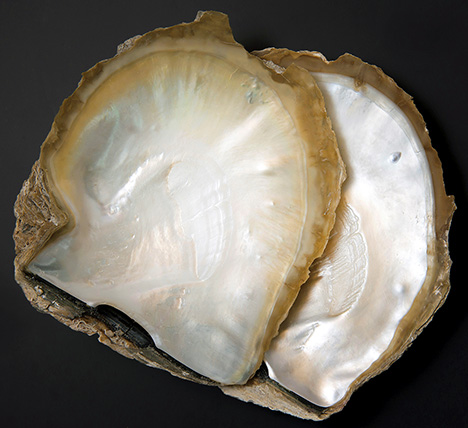
Known Non-Nacreous Non-Bead Cultured Pearls and Similar Unknown Pearls of Likely Cultured Origin from Pinctada maxima
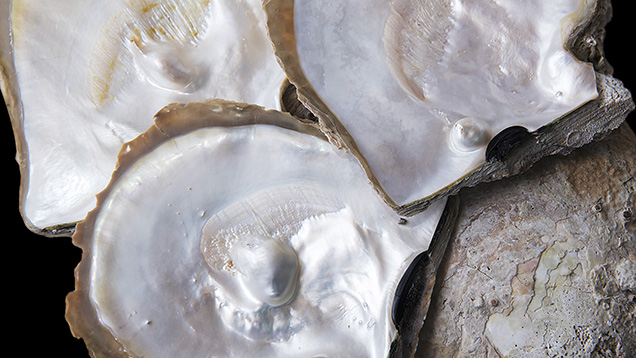
Natural Shell Blisters and Blister Pearls: What’s the Difference?
GIA researchers explore the differences between whole, blister, and shell blister pearls in this study using 33 samples from Pinctada maxima mollusks recovered off Broome, Australia.
.jpg "YMAL GIA Ed")