
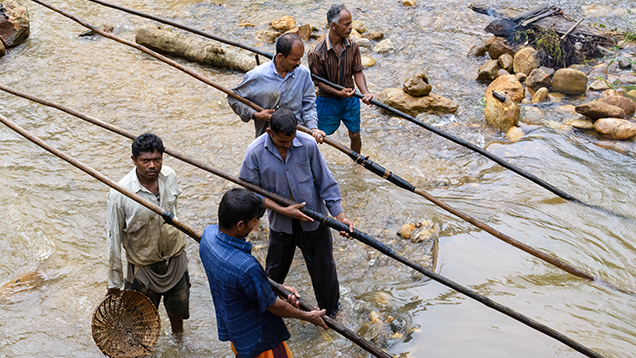
世界宝石产地浪漫之旅:斯里兰卡
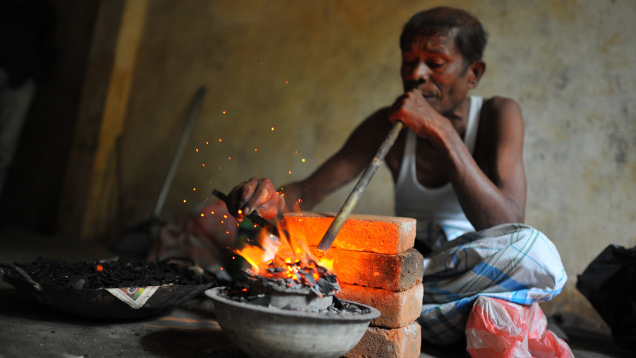
跟随 GIA 实地宝石学家的脚步,前往斯里兰卡“珠宝之岛”,开启一段真正的宝石开采冒险之旅。您会看到这里如今仍在使用传统的宝石开采技术。 斯里兰卡是一个开采、切磨与交易强国。
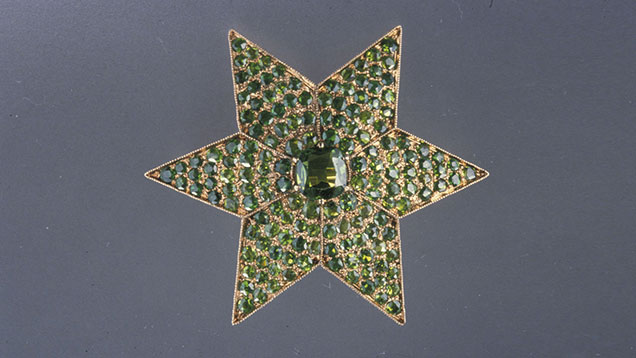
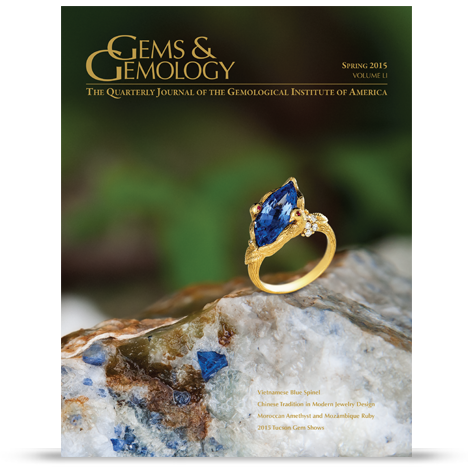
《宝石与宝石学》(G&G) 2015 年春季刊介绍蓝色尖晶石、中国珠宝设计和最新的合成品
《宝石与宝石学》(G&G) 简报介绍了《宝石与宝石学》(Gems & Gemology) 2015 年春季刊的内容概要。
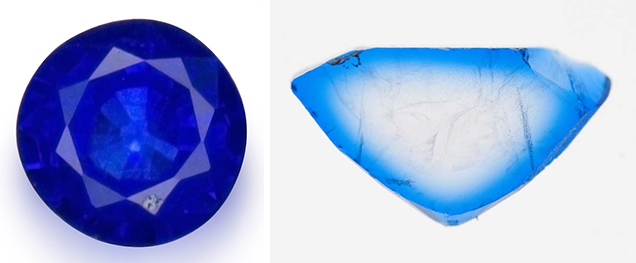
GIA 鉴定所关于天然尖晶石钴扩散处理新方法的报告
关于天然尖晶石钴扩散处理新方法的报告,采用了内含物分析、紫外 - 可见光 - 近红外 (UV-Vis-NIR) 和能量色散 X 射线荧光 (EDXRF) 光谱仪,还有激光剥蚀电感耦合等离子体质谱仪 ( LA-ICP-MS) 等方法。

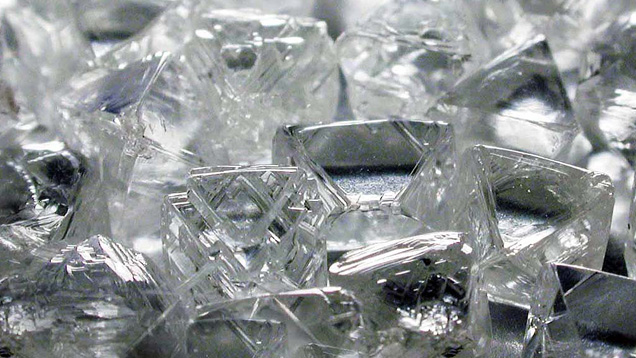
戴比尔斯降低原石价格 - 降幅太低?
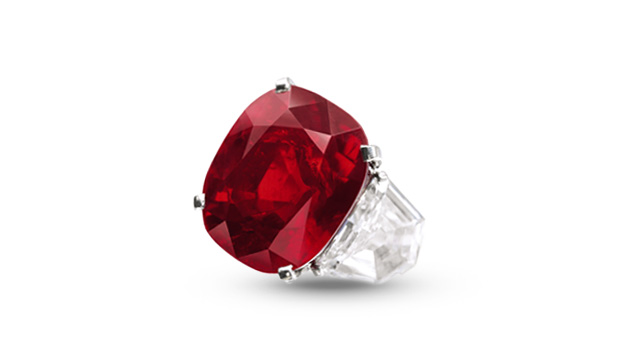
戴比尔斯在五月看货会上降低了原石价格;经过临时处理但未经披露的钻石提交给 GIA;Sotheby's(苏富比)、Christie's(佳士得)的销售再次打破拍卖纪录。

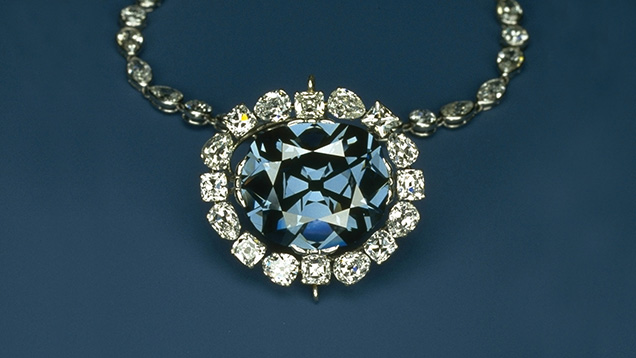
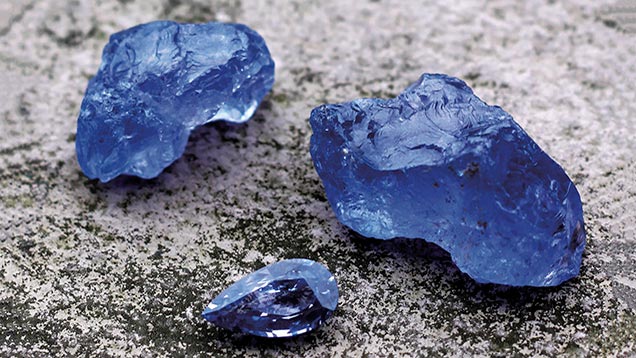
Blue Spinel from the Luc Yen District of Vietnam (英语)
Offers geological context and gemological characterization of this increasingly popular vivid blue spinel from northeast Vietnam.
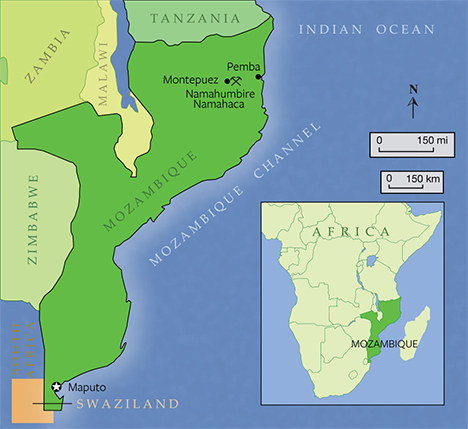
Mozambique: A Ruby Discovery for the 21st Century (英语)
Explores the geology, production, and yield of the world’s most commercially important ruby deposit.
Tsavorite Garnet and Mahenge Red Spinel (英语)
A discussion of the current demand for tsavorite and spinel in today’s market.
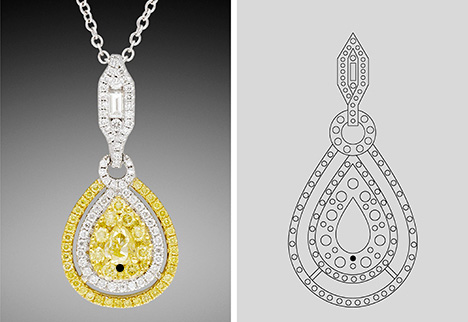
HPHT Synthetic Diamond Melee in High-Quality Jewelry Piece (英语)
The New York lab discovers a synthetic melee diamond in a pendant, underscoring the importance of testing for undisclosed synthetics.
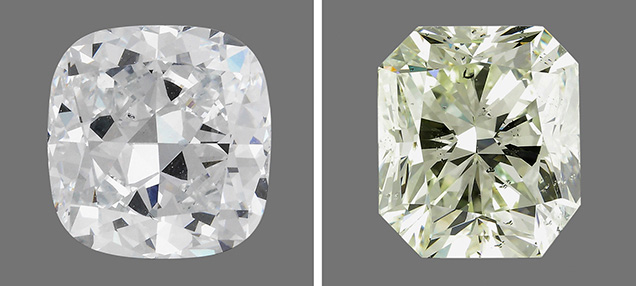
Large HPHT-Grown Synthetic Diamonds Examined in GIA’s Hong Kong Laboratory (英语)
Examination of the largest HPHT synthetic diamonds GIA has examined so far demonstrated significant progress in this growth technology.
GIA 鉴定所关于莫桑比克红宝石的低温加热处理的报告
采用内含物分析法、傅里叶变换红外光谱和激光剥蚀电感耦合等离子体质谱仪 (LA-ICP-MS) 观察接受低温加热后的莫桑比克红宝石变化的报告。
.jpg "YMAL GIA Ed")