
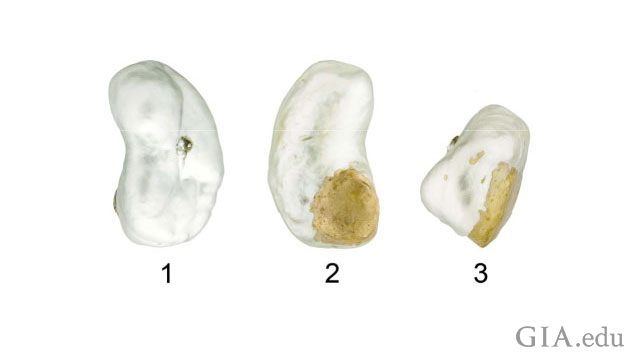
据报道产自莫桑比克的红宝石
据报道在莫桑比克北部新发现的魅力红宝石开始出现在泰国的宝石市场。 这些宝石类似于坦桑尼亚 Winza(汶沙)矿区的红宝石,但本项研究表明,可通过显微镜检查将它们区别开来。
美国宝石研究院 (GIA) 鉴定所“D 到 Z”钻石成色分级 (英语)
This article discusses the history and ongoing development of GIA's color grading system, and explains how its laboratory applies it.
产自坦桑尼亚中部 Winza 的红宝石和蓝宝石 (英语)
Since late 2007, rubies and sapphires have been mined by hand methods from both eluvial and primary deposits at Winza in central Tanzania.
Gota de Aceite(ゴータ・デ・アセイテイ): 最高級コロンビア産エメラルドの名称 (英語)
The finest and rarest emeralds are sometimes said to have an optical effect called gota de aceite.
来自 Apollo Diamond Inc. 的最新一代化学蒸气沉淀法 (CVD) 生长的合成钻石 (英语)
High-quality CVD-grown diamonds, comparable in color and clarity to natural diamonds, can be identified using a combination of gemological and spectroscopic properties.
在美国宝石研究院 (GIA) 鉴定所, D 到 Z 颜色范围钻石的内部白雾和反射孪晶纹对净度分级会有影响 (英语)
This article reviews the GIA Laboratory’s history of reporting on certain types of graining which are often the only characteristics present in large, high-clarity, high-color diamonds.
铅玻璃填充红宝石的鉴定与坚固性 (英语)
In early 2004, the GAAJ laboratory in Japan issued a lab alert about rubies they had seen that had large numbers of fractures filled with high-lead-content glass, which made them appear very transparent.
高压高温 (HPHT) 生长之合成钻石的特征更新图表 (英语)
A new chart, supplementing the one published in the Winter 1995 issue of Gems & Gemology, summarizes the features of both as-grown (“non-modified”) and treated (“modified”) synthetic diamonds currently in the gem market (that is, those grown by the high pressure/high temperature technique).
亚利桑那州四峰的紫水晶 (英语)
For more than a century, the Four Peaks mine in Maricopa County, Arizona, has produced gem-quality amethyst from crystal-lined or crystal-filled cavities and fractures in a brecciated quartzite host rock.
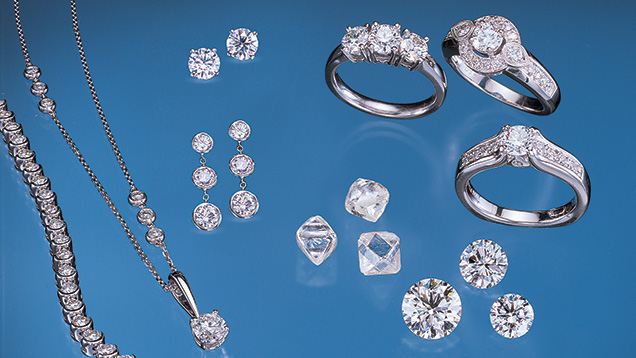
圆形明亮式切工钻石整体切磨品质的分级基础 (英语)
The GIA diamond cut grading system described here includes the components of brightness, fire, scintillation, polish, and symmetry, as well as weight and durability concerns, into a single overall grade for cut quality for standard round brilliants.
Chatham Created Gems 的实验室合成彩钻 (英语)
This article compares some of Chatham Created Gems’ synthetic colored diamonds to natural diamonds and explains the results.
宝石处理公开及美国 法律 (英语)
In recent years, the obligation to fully disclose all gem treatments has changed from a mere ethical responsibility to a legal one.
宝石学家显微摄影 (英语)
Just because you don’t see it, doesn’t mean it isn’t there.
Many areas in the jewelry industry—education, gemological research, lecturing, publication, and laboratory and inventory documentation, to name a few—either require or benefit from high-quality photomicrography.
.jpg "YMAL GIA Ed")