
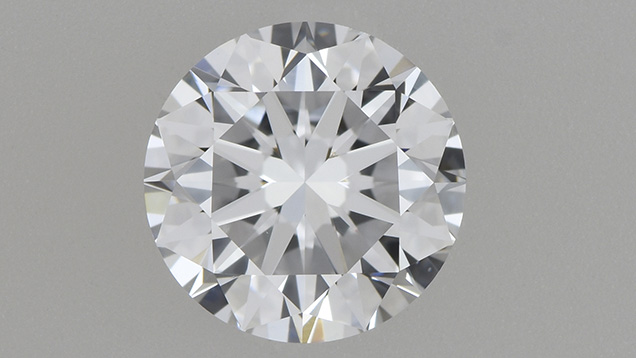
HPHT-Processed Diamond with Counterfeit GIA Inscription
Careful comparison of two GIA reports reveals a fraudulent inscription on a laboratory-produced diamond presented as a natural.
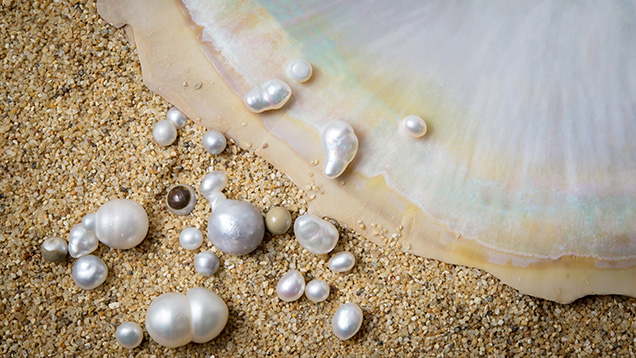
Internal Structures of Known Pinctada maxima Pearls: Cultured Pearls from Operated Marine Mollusks
A selection of 74 non-bead cultured and 12 bead cultured pearls grown in cultured pearl sacs and harvested directly from operated mollusks were collected and their internal structures examined using real-time microradiography and X-ray computed microtomography analyses.
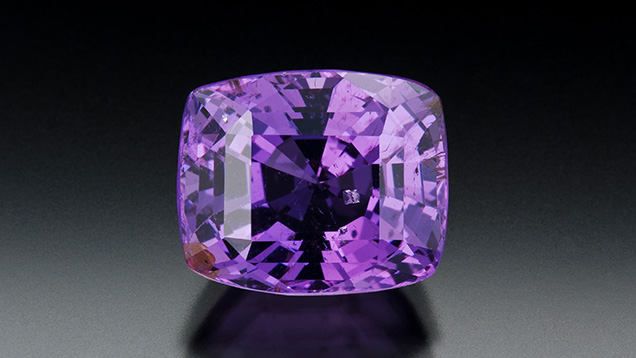
Purple Gem Spinel from Vietnam and Afghanistan: Comparison of Trace Element Chemistry, Cause of Color, and Inclusions
Figure 1. The vivid colors seen in fine gem-quality spinel are derived from the mixing between multiple different chromophores in a range of ratios and concentrations, as in this fine 13.52 ct violetish purple spinel. Courtesy of the Dr. Edward J. Gübelin Collection. Photo by Robert Weldon/GIA.
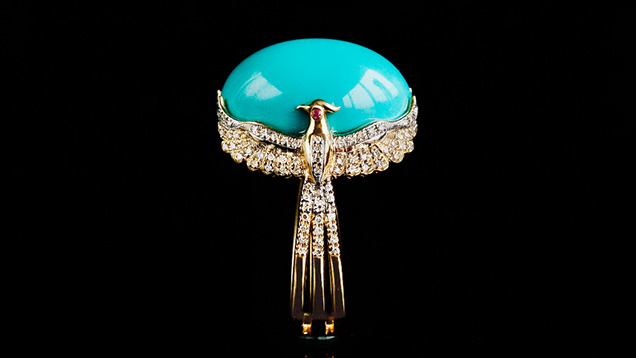
Persian Turquoise: The Ancient Treasure of Neyshabur
Reports on the geology, background, and current state of mining and production at Iran’s largest turquoise mine.
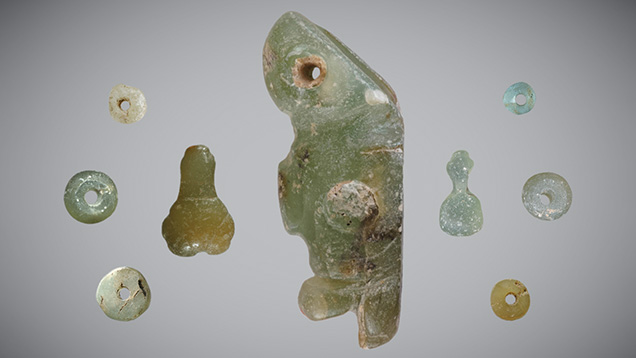
First Identification of Sudoite in Caribbean Ceramic-Age Lapidary Craftsmanship
Extensive analysis of early beads and pendants from archaeological sites in the French islands of the Lesser Antilles identified the objects as sudoite, which has never before been documented in any lapidary production.
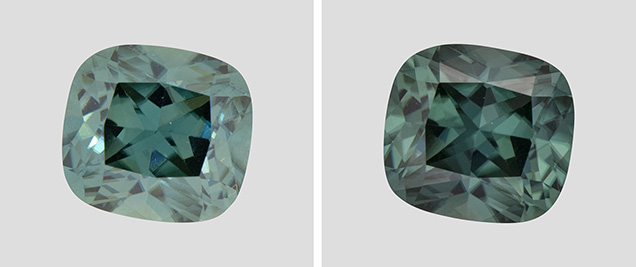
Zircon with Unusual Color-Change Behavior
The Carlsbad laboratory recently had the chance to examine a 4.60 ct cushion-cut zircon with truly unusual color behavior.
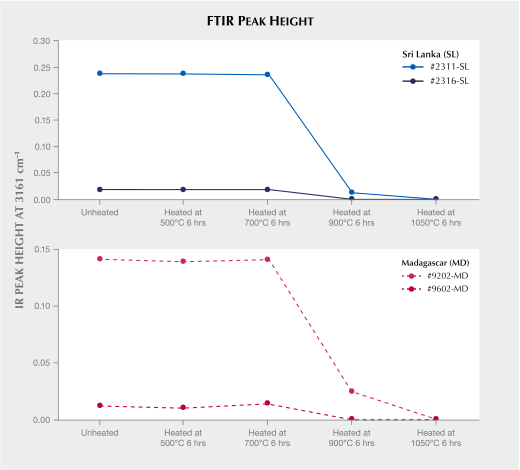
Heat Treatment Effects on the Behavior of the 3161 cm–1 Feature in Low-Iron Metamorphic Yellow Sapphire
This study examines FTIR spectra of yellow sapphire heat treated in an oxidizing atmosphere to deepen its color.
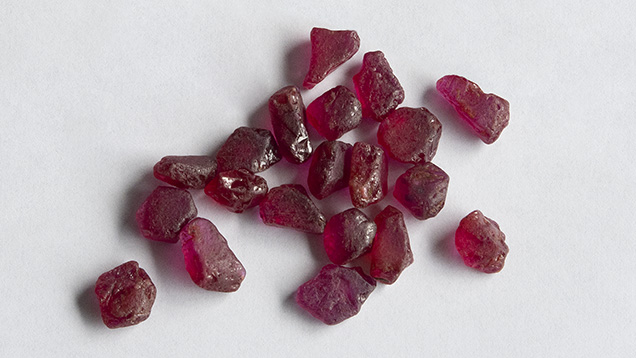
Fura Gems’ Inaugural Ruby Sale
Fura Gems hosted its first sales event for rough Mozambican rubies in August and September 2021.
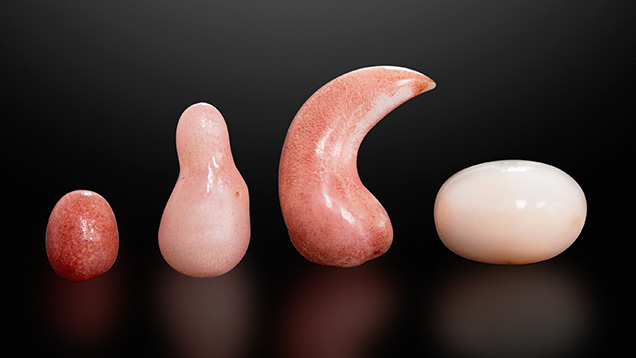
Dyed Non-Nacreous Pearls
Four pearls submitted to the Bangkok lab proved to be natural non-nacreous specimens dyed pink, apparently to imitate true conch pearls.

Pinctada maxima Pearls from Operated Mollusks, Sudoite in Ceramic-Age Caribbean Jewelry, Persian Turquoise Field Report, and More
An overview of the Fall 2021 Gems & Gemology content.
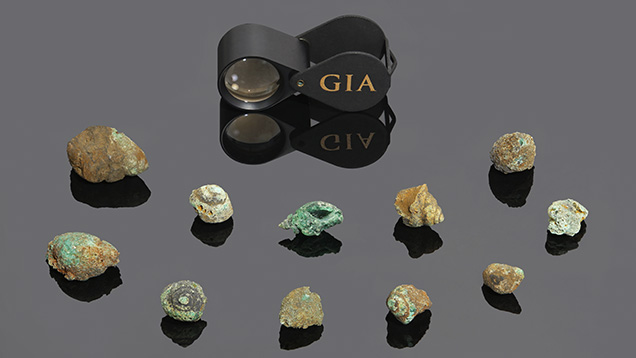
Fossilized Shell Consisting of Emerald
Several shells received at the Hong Kong laboratory were identified as fossils replaced by emerald crystals.
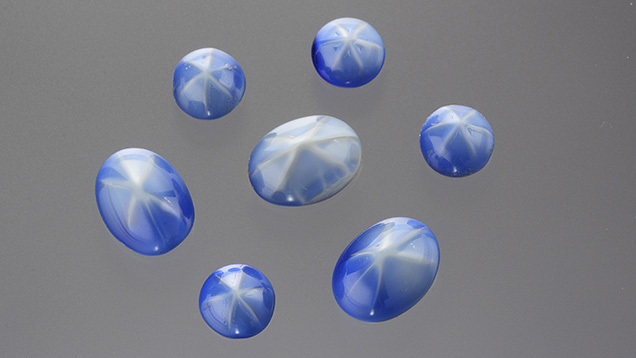
Glass Imitation of Star Sapphire
A fixed star indicating manufactured asterism helps to identify an imitation star sapphire.
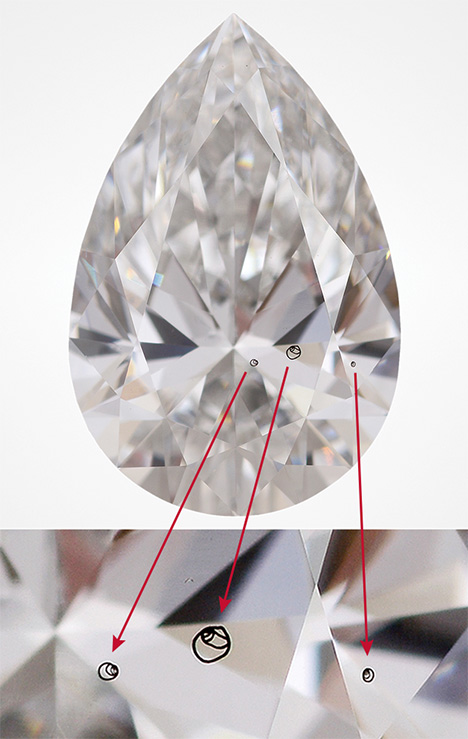
Laboratory-Grown Diamond with Internal Laser Markings
Accidental laser damage likely caused unusual internal spiral markings in a 2.44 ct CVD-grown diamond.
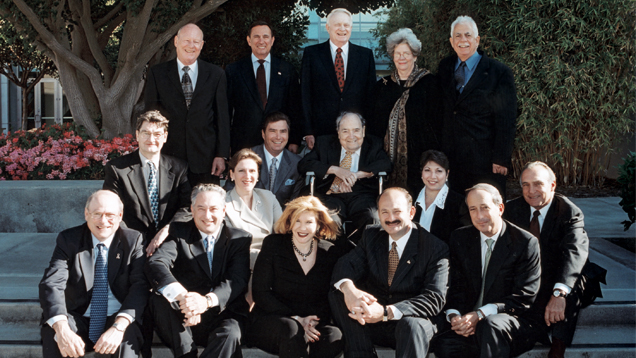
In Memory of Helene Fortunoff
CARLSBAD, Calif. – Nov. 9, 2021 – The GIA community – more than 3,300 associates around the world and hundreds of thousands of graduates – offers their condolences to the family of industry icon Helene Fortunoff, who passed away earlier this week.
GIA Statement on Fraudulent Diamond Grading Reports in India
CARLSBAD, Calif. – Sept. 13, 2021 – In mid-August, as reported in the media, police in Surat, India, uncovered a fraudulent scheme involving counterfeit inscriptions linking lower-quality diamonds to GIA diamond grading reports for higher-quality stones.
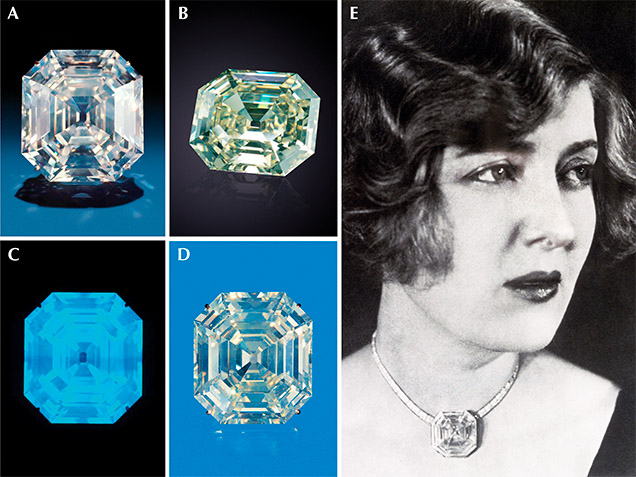
Measurement and Characterization of the Effects of Blue Fluorescence on Diamond Appearance
Using customized, image-based measurement systems to quantify the effect of fluorescence on the color, brightness, and transparency of gem diamonds viewed in both face-up and table-down orientations.
Effects of Blue Fluorescence on Diamond Appearance, Color Treatment and Brightening of “Edison” Pearls, and a Pioneering Gemstone Market in Pakistan
An overview of the Summer 2021 Gems & Gemology content.
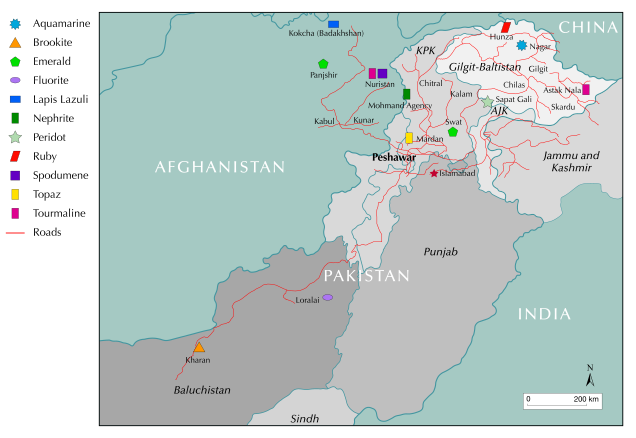
Namak Mandi: A Pioneering Gemstone Market in Pakistan
Documents Namak Mandi’s transformation from a salt market to one of Pakistan’s primary gem trading centers, with a look at the commercial activities taking place today.
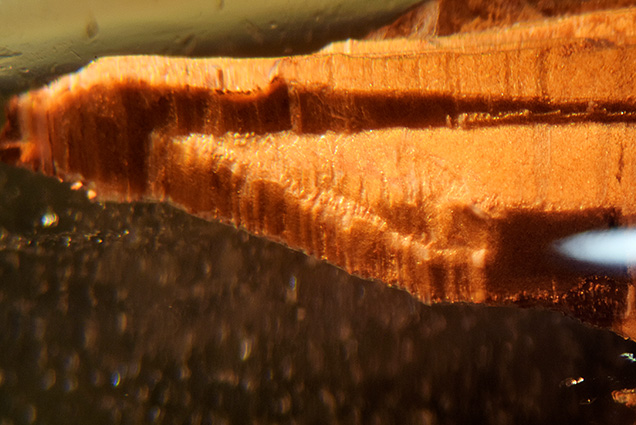
Mobile Inclusions in a Decorative Quartz Object
Inspired fashioning showcases mobile inclusions in a polished quartz specimen, reminiscent of an hourglass.
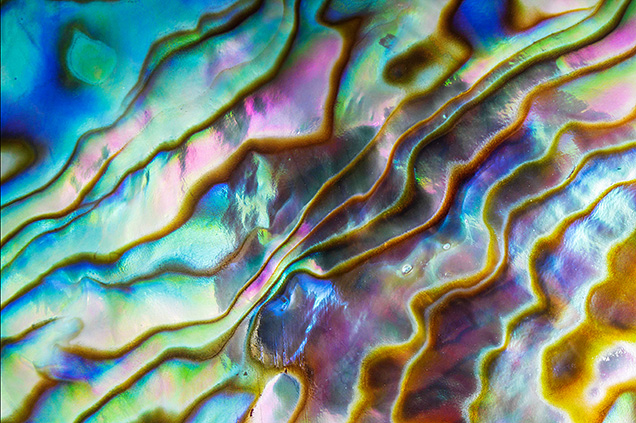
Iridescent Abalone Shell
The optical phenomenon of iridescence creates a beautiful pearly rainbow effect in an abalone shell.
.jpg "YMAL GIA Ed")