
GIAでデビューした素晴らしい宝石彫刻

業界の専門家は、求職者に激励となる助言をします。
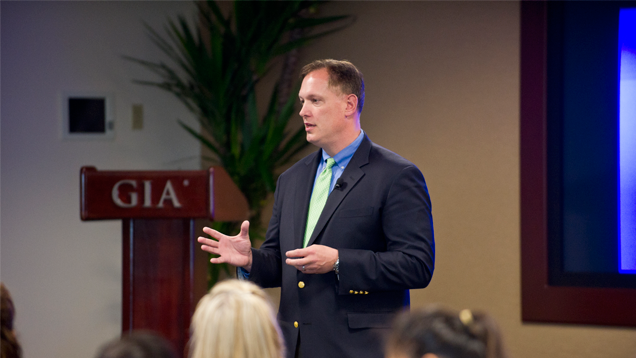
宝石・宝飾業界の専門家たちが、2010年10月22日に開催されたGIA(米国宝石学会)主催の第20回年次宝飾品キャリアフェアで、求職者に向けてアドバイスを述べた。
天然と合成のマラカイトを識別するための化学分析
LA-ICP-MS(レーザーアブレーション誘導結合プラズマ質量分析)技術は、微量元素の化学的性質に基づいて天然と合成のマラカイトを識別するために適用されます。
遊色効果を持つエチオピアWollo(ウォロ)州Wegel Tena(ウェゲルテナ)産オパール (英語)
A new opal deposit was discovered in 2008 near the village of Wegel Tena, in volcanic rocks of Ethiopia’s Wollo Province.
2000年代における宝石のエンハンスメントとその看破 (英語)
Advances in technology and increased demand for lower-priced gem materials contributed to the proliferation of new treatments throughout the first decade of the 2000s.
フラックス法熱処理とガラス充填処理されたモザンビーク産ルビー
「フラックス充填による部分的裂け目の修復」(FAPFH)およびガラス亀裂充填(GFF)を使用して高温加熱したモザンビークのモンテプエズ地域産のルビーについてのレポート。
GIA、犯罪捜査官らに宝石の世界を伝える
強く着色されたピンクのCVDラボ製造ダイヤモンド (英語)
Pink CVD lab-grown products can be separated from natural and treated-color natural pink diamonds by a combination of gemological and spectroscopic properties, which are explored in this study.
機会を最大限に活用
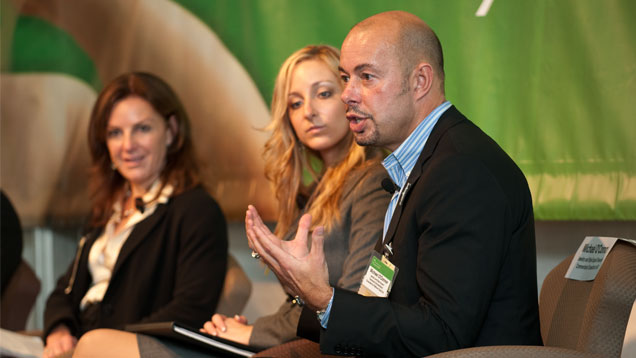
ハリウッドのレッドカーペットイベントで「ブリングの王様」として知られるジュエリーとスタイルの専門家、マイケル・オコナーは、2009年にカールスバッドで開催されたキャリアフェアで、次のようなアドバイスをしました。
ありのままのあなたで
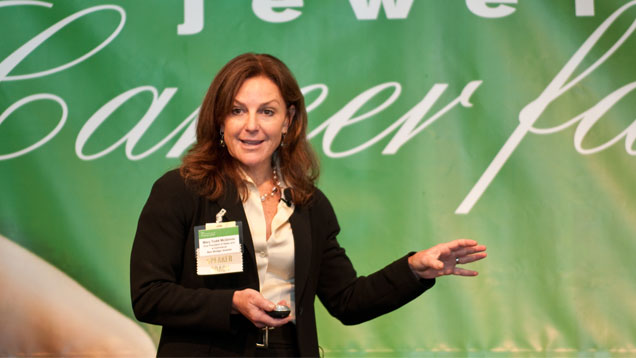
ベン・ブリッジ・ジュエラーズの営業およびeコマース担当副社長であるメアリー・トッド=マクギニス氏は、カールスバッドで開催された2009年のキャリアフェアで、宝石業界における自身の歩みを語り、トレンドや文化が人々のジュエリー購入にどのように影響を与えるかを指摘した。
ビーズなし養殖真珠のマイクロX線構造
Examines the X-ray structures of non-bead cultured pearls, including “Keshi” pearls, and the criteria used to identify them.

成功への道のプラン作り
カリフォルニア州パサデナにあるティファニー&カンパニーのセールスマネージャー、カラ・エリクソン氏は、カールスバッドで開催された2009年キャリアフェアの参加者に対し、自身のキャリア構築に役立った5つの重要な概念を共有した。
.jpg "YMAL GIA Ed")