Natural-Color D-to-Z Diamonds: A Crystal-Clear Perspective
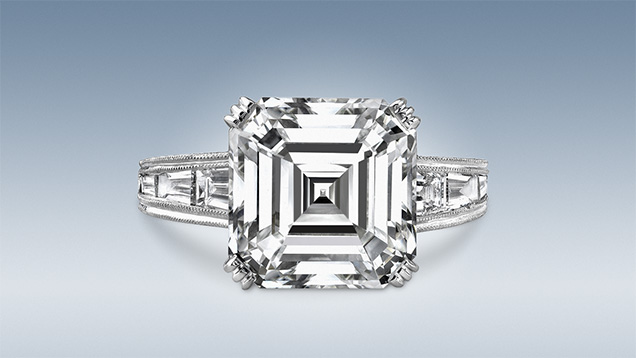
Examines a very large dataset of colorless to near-colorless diamonds submitted to GIA and evaluates their diamond type and spectroscopic properties.
Magnetite Inclusions in Star Peridot
Magnetite inclusions in a four-rayed star peridot help to date its terrestrial age.
Quarterly Crystal: Ferrocolumbite in Topaz
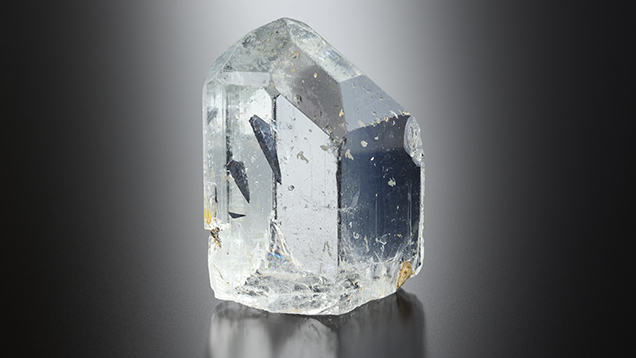
“Star cruisers” formed of ferrocolumbite seem to fly in a large topaz crystal from the Shigar Valley in Pakistan.
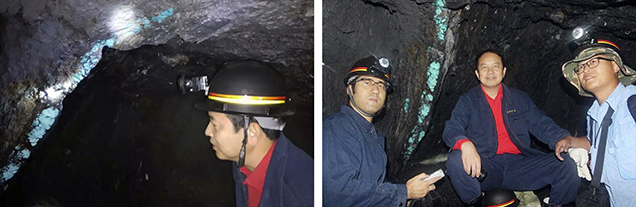
Unique Raindrop Pattern of Turquoise from Hubei, China
Presents spectroscopic and chemical analysis of a new variety of turquoise with a rare raindrop pattern with saturated colors.
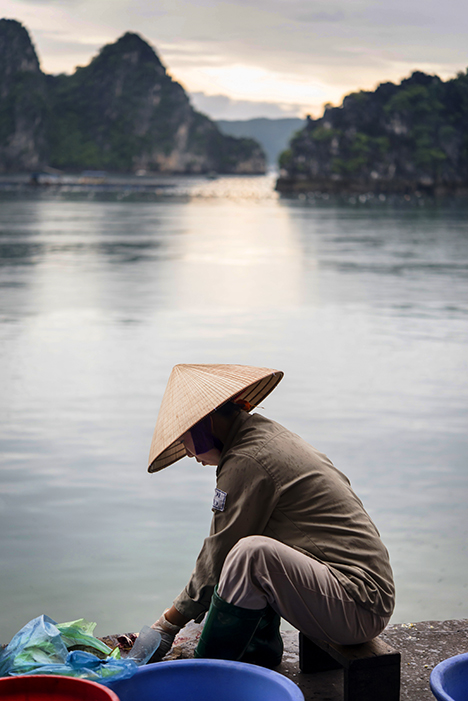
Vietnam: Shell Nuclei, Pearl Hatcheries, and Pearl Farming
Reports on a visit to a shell nucleus manufacturer and two pearl farms in northern Vietnam, which is emerging as a notable producer.
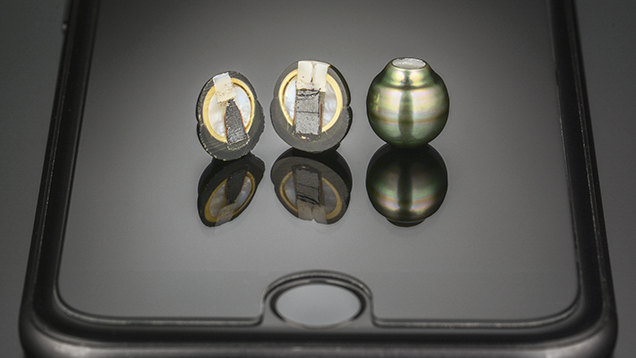
A Near-Field-Communication (NFC) Technology Device Embedded in Bead Cultured Pearls
The Carlsbad laboratory received for examination two dark-colored bead cultured pearls embedded with an electronic device from Jeremy Shepherd, CEO of Pearl Paradise.
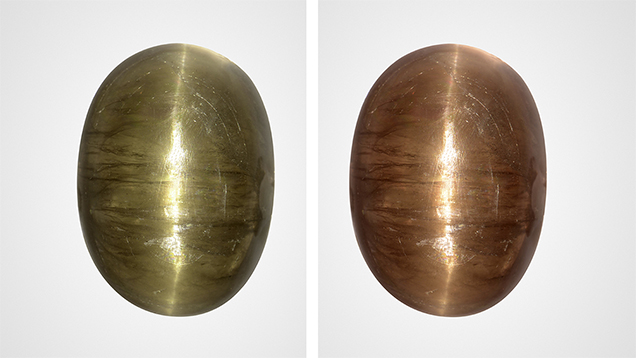
Color-Change Cat’s-Eye Diaspore
A 60.71 ct cabochon was recently submitted to the Tokyo lab for identification.
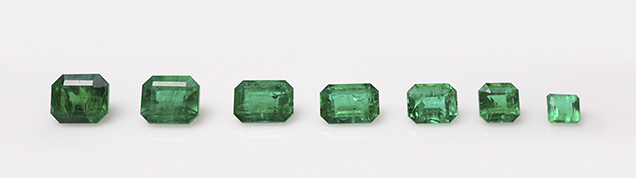
Inclusion and Trace Element Characteristics of Emeralds from Swat Valley, Pakistan
Presents a detailed study of gemological properties, inclusion features, spectroscopic characteristics, and chemical composition of emeralds from this important source.
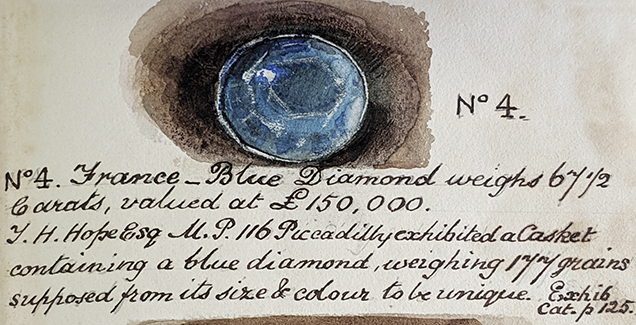
A History of European Royal Jewel Sales, Including Sotheby’s 2018 Auction of Marie Antoinette’s Jewels
Chronicles important auctions of jewels from European royal collections over the years, with a focus on a recent high-profile sale of items that once belonged to Marie Antoinette.
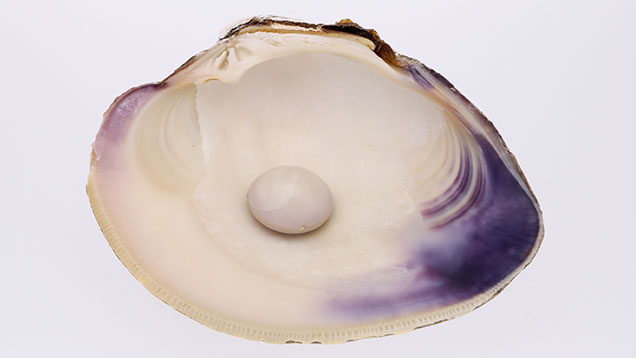
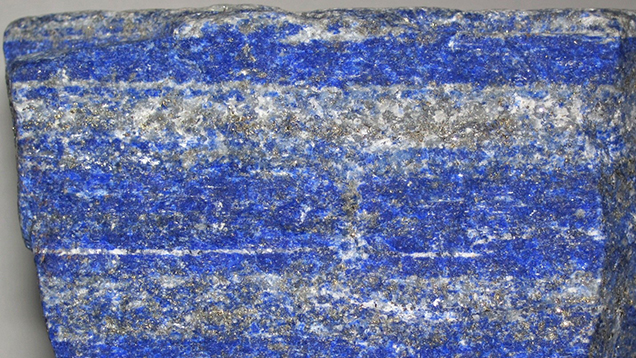
Historical Reading List: Lazurite (Lapis Lazuli) from Afghanistan and its Artistic Use as a Blue Pigment (Ultramarine)
Annotated reading lists compiled on Lazurite (Lapis Lazuli) from Afghanistan and its Artistic Use as a Blue Pigment (Ultramarine)
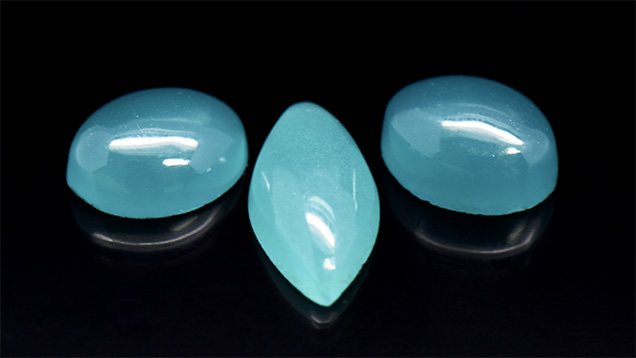
Greenish Blue Glass Imitating Gem Silica
Gem silica, also known as “chrysocolla chalcedony,” is considered the most valuable variety of chalcedony.
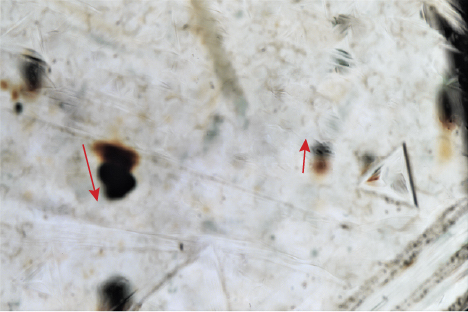
Multiple Radiation Stains Suggest Interesting Geological Residency
A rough diamond crystal weighing 4.05 ct was observed with radiation staining on its surface.
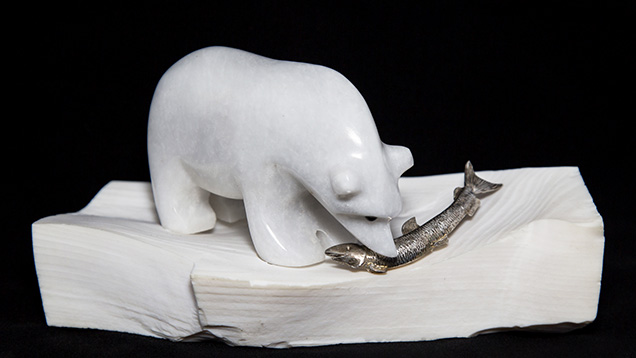
Occurrence of Petrified Woods in the Russian Far East: Gemology and Origin
Scientists in Russia construct an origin story through the analysis of petrified wood popularly used in the souvenir trade.
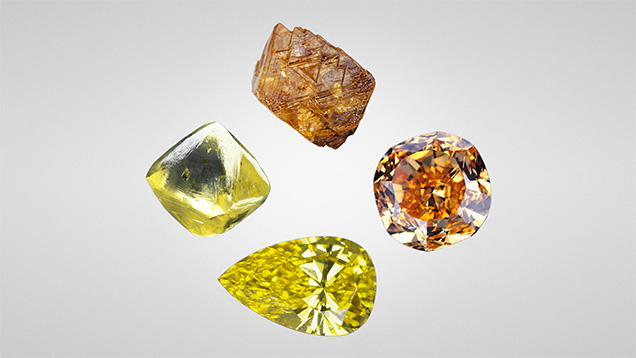
Naturally Colored Yellow and Orange Gem Diamonds: The Nitrogen Factor
Presents the four major groups of defects responsible for the color in nearly all yellow and orange diamonds.
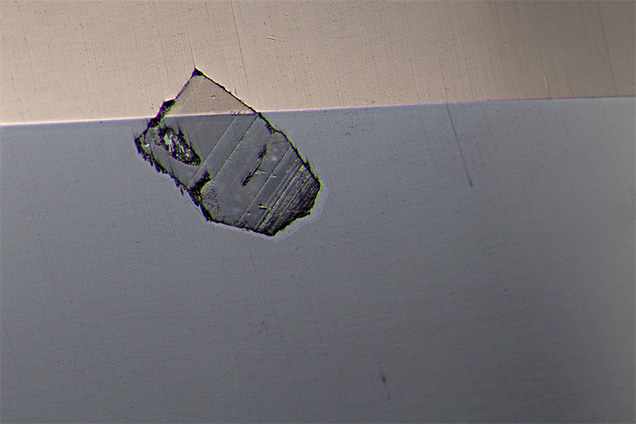
Fluorophlogopite in Burmese Spinel
Lotus Gemology in Bangkok received a large parcel of dark red spinels for identification.
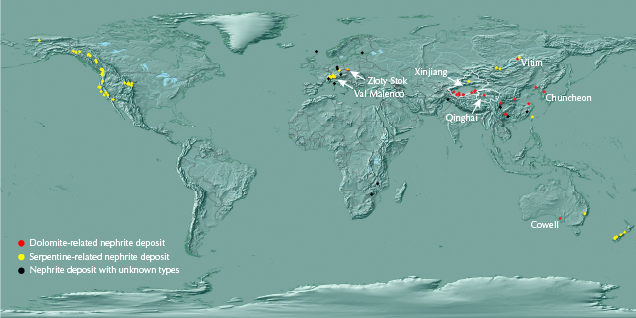
Hydrogen and Oxygen Stable Isotope Ratios of Dolomite-Related Nephrite: Relevance for Its Geographic Origin and Geological Significance
Examines the effectiveness of hydrogen and oxygen isotopes in discriminating dolomite-related nephrites from the four most important occurrences worldwide.
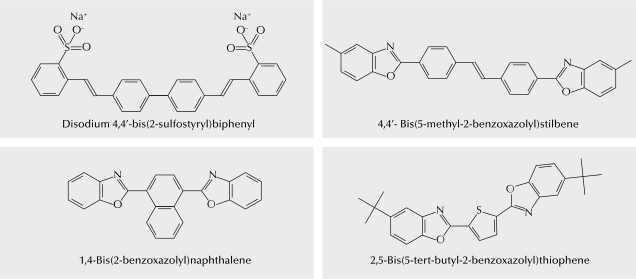
Optical Whitening and Brightening of Pearls: A Fluorescence Spectroscopy Study
Presents a study that suggests optically brightened pearls can be consistently separated from non-brightened pearls using fluorescence spectroscopy.
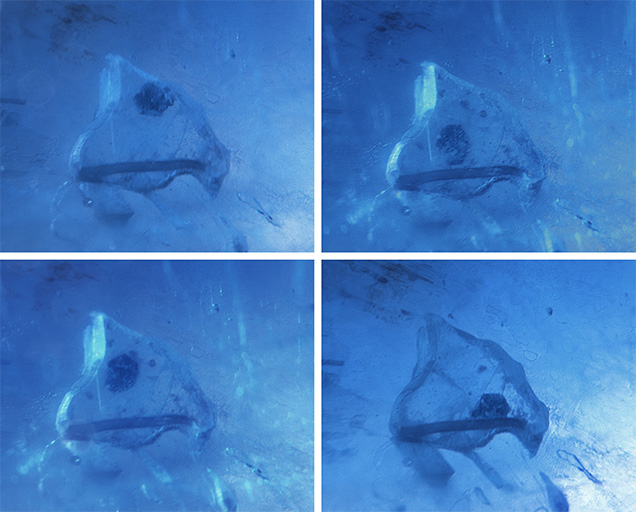
A Sapphire with a Negative Crystal Containing a Mobile Graphite Daughter Crystal
Mineral and fluid phases within negative crystals in metamorphic sapphires provide us with general information on the sapphire and the trapped fluid itself.
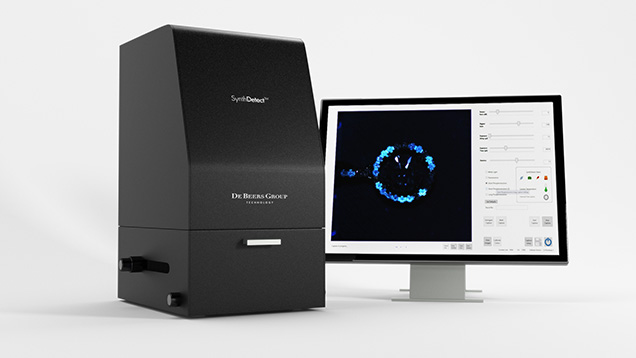
Separation of Natural from Laboratory-Grown Diamond Using Time-Gated Luminescence Imaging
Researchers from De Beers Group Technology present a technique that expands on the surface luminescence used in the DiamondView instrument to provide additional imaging information and quickly distinguish colorless or near-colorless natural diamond from laboratory-grown diamond.
.jpg "YMAL GIA Ed")