
◂ BACK TO GEM ENCYCLOPEDIA
Pearl
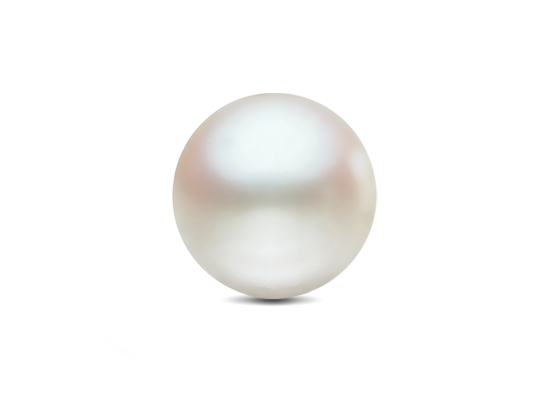
Perfect shining spheres. Lustrous baroque forms. Seductive strands, warm to the touch. Pearls are simply and purely organic.
See Gem As
Tools
Research
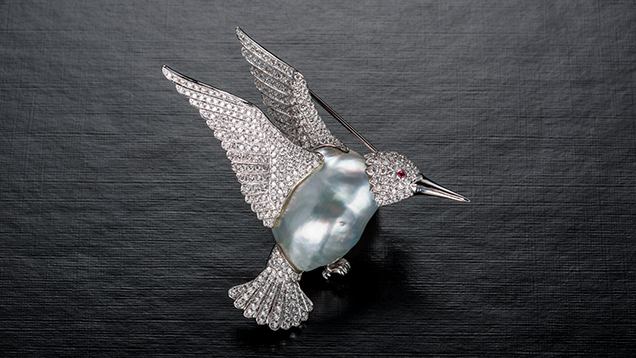
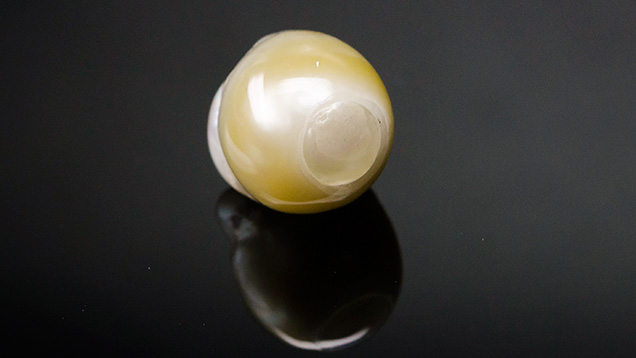
Assembled and Bead-Cultured Pearls
Examination of a baroque cultured pearl reveals a bonding agent, along with a damaged bead and new nacre.
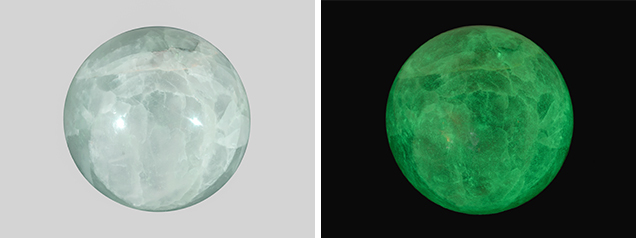
Fluorite Sphere with Phosphorescent Coating
Chinese Freshwater Pearl Culturing, Overall Market Summary
A review of Chinese freshwater cultured pearl production, with an update on the market for Tahitian, South Sea, and akoya cultured pearls.
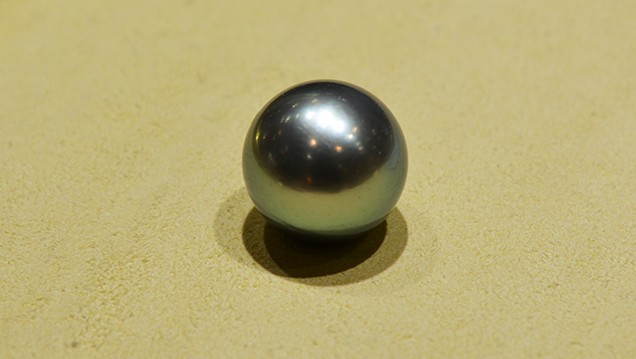
Cultured Pearl Market Update
An up-close look at the cultured pearl’s role in the gem and jewelry industry.
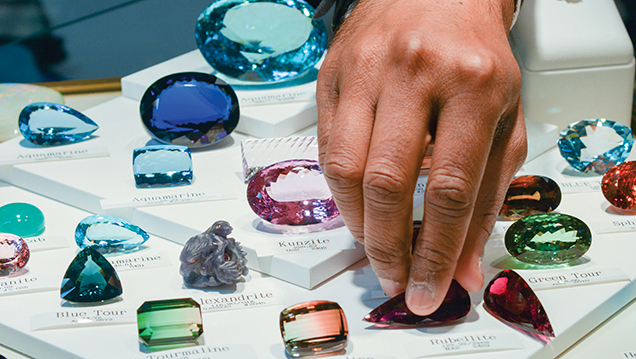
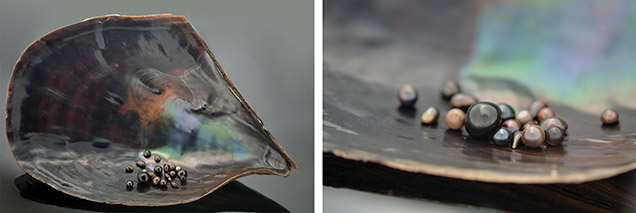
The First Identified Non-Nacreous Beaded Cultured Pearl
A report on what appears to be the first non-nacreous beaded cultured pearl examined by a laboratory.
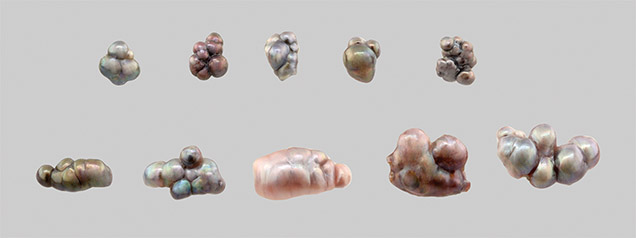
Natural Pearl Aggregates from Pteria Mollusks
Ten loose pearls with interesting shapes and internal growth features were from Pteria-species mollusks.
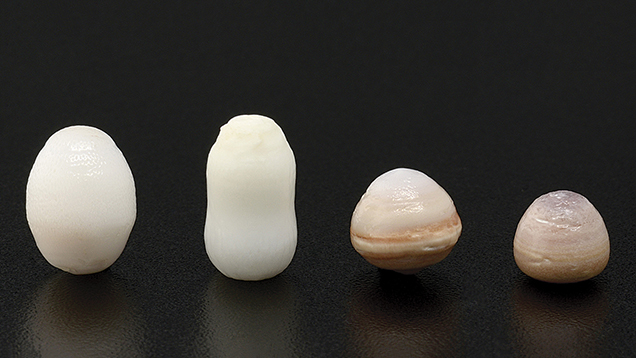
Natural Pearls Reportedly from a Spondylus Species (“Thorny” Oyster)
A rare look at natural pearls from a known Spondylus species, commonly called “thorny” oysters.
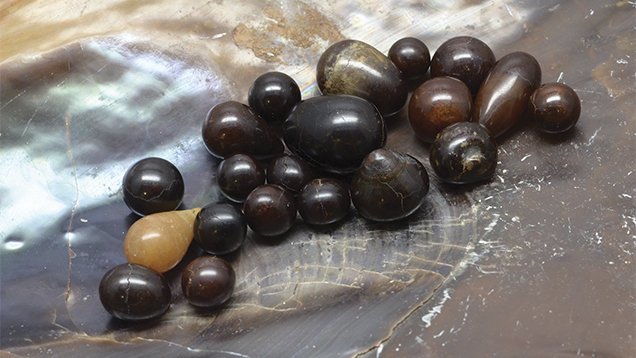
Observations on Pearls Reportedly from the Pinnidae Family (Pen Pearls)
Examines the internal structure, chemical composition, and spectroscopic features of 22 pen pearls.
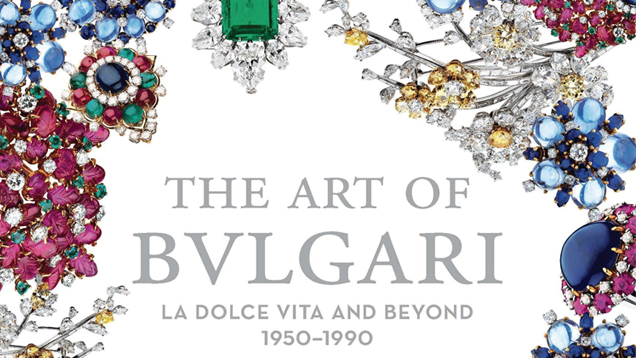
Books: The Art of Bulgari:La Dolce Vita and Beyond, 1950–1990
Review of Martin Chapman and Amanda Triossi’s The Art of Bulgari: La Dolce Vita and Beyond, 1950–1990.
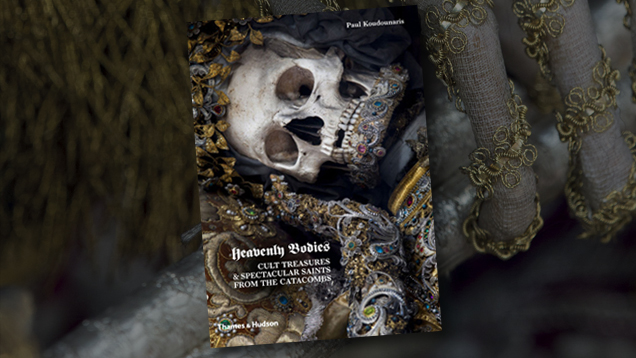
Books: Heavenly Bodies: Cult Treasures and Spectacular Saints from the Catacombs
Review of Paul Koudounaris’s Heavenly Bodies: Cult Treasures and Spectacular Saints from the Catacombs.