
◂ BACK TO GEM ENCYCLOPEDIA
Pearl
Perfect shining spheres. Lustrous baroque forms. Seductive strands, warm to the touch. Pearls are simply and purely organic.
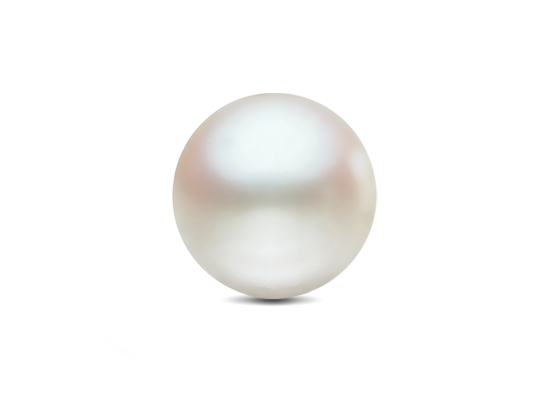
See Gem As
Tools
Research
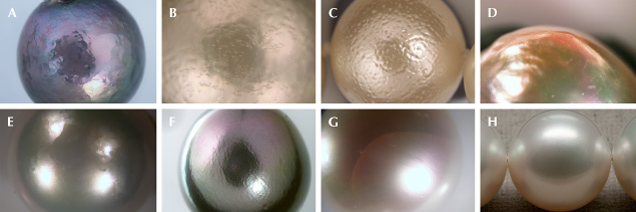
GIA 7 Pearl Value Factors: An Update on Nacre Classification
A new nacre scale is established in the GIA 7 Pearl Value Factors classification system.
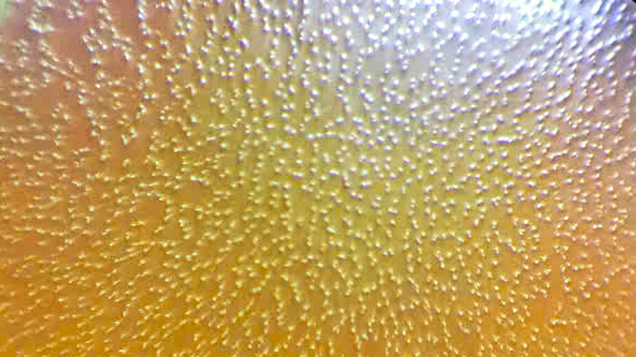
“Goose Bumps” on South Sea Pearl
Pinpoints densely cover the surface of a golden South Sea pearl.
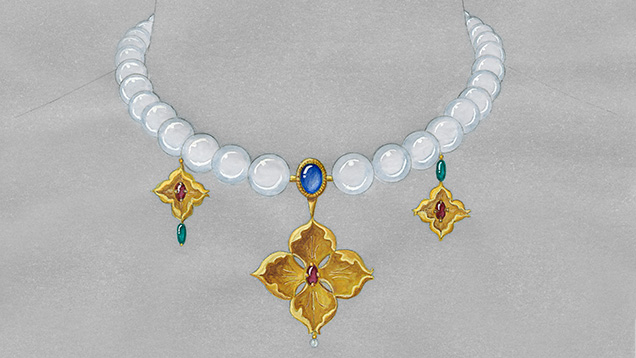
Eighth Annual Gianmaria Buccellati Foundation Award Winner
A graduate of GIA’s Jewelry Design program in London is the recipient of the 2024 Gianmaria Buccellati Foundation Award.
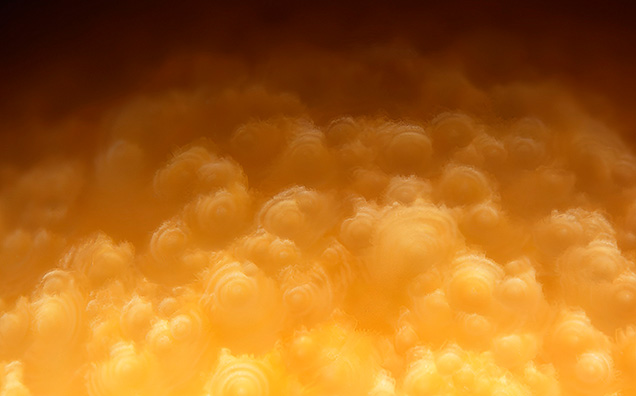
Spiral Patterns on a Non-Nacreous Pearl
A 6.79 ct orange pearl displays a fascinating spiral pattern.
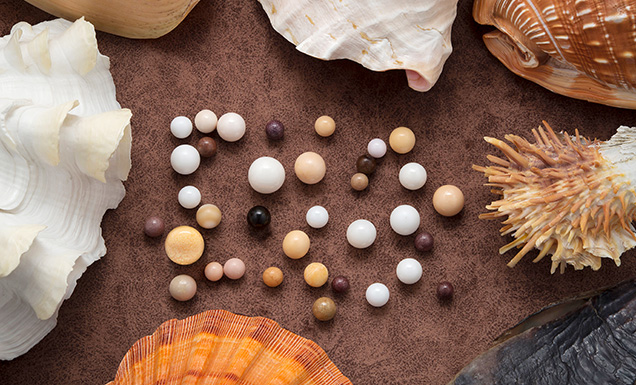
Natural Non-Nacreous Pearls from Various Marine Mollusks
The Bangkok laboratory studies 35 loose non-nacreous pearls from a wide range of marine mollusk species.
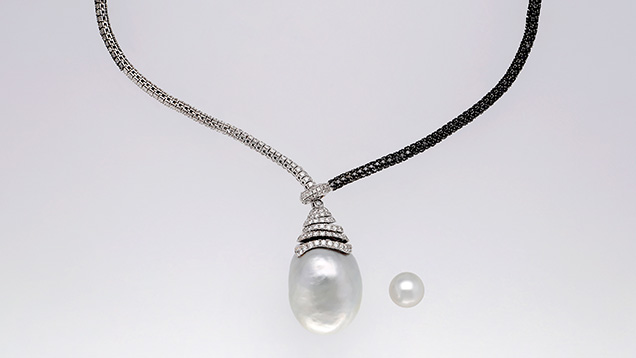
Enormous South Sea Cultured Pearl with Filled and Partially Hollow Structure
Examination of a gigantic South Sea bead cultured pearl reveals an intriguing internal structure.
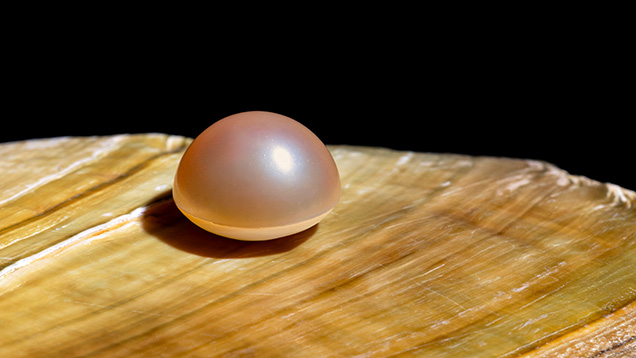
Assembled Bead Cultured Half-Pearl
Investigation in the Carlsbad laboratory reveals a pearl submission is not mabe as initially believed.
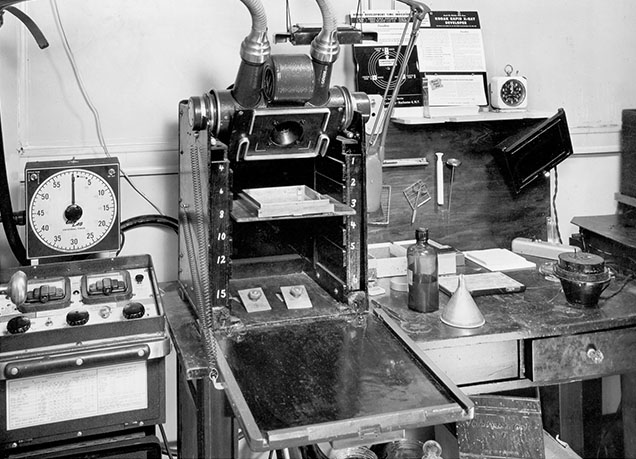
Applications of X-Ray Radiography and X-Ray Computed Microtomography in Gemology
X-ray imaging techniques revolutionized pearl testing by enabling gemologists to distinguish natural from cultured pearls through detailed visualization of their internal structures, evolving from film-based systems in the early 1900s to today’s sophisticated digital equipment.
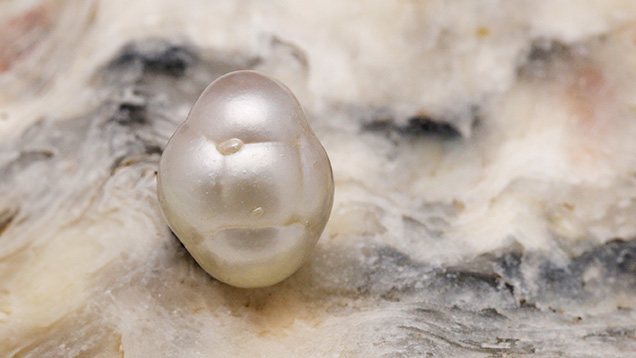
A Multicore Non-Bead Cultured Pearl
A non-bead cultured pearl with six cores is discovered in a large lot of pearls submitted to the Mumbai laboratory.
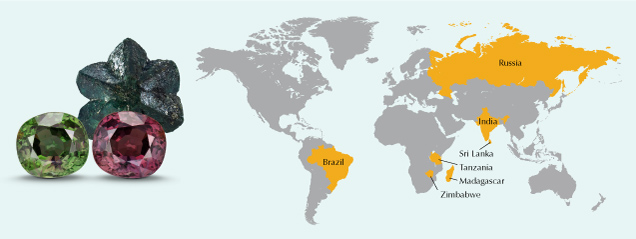
Classification of Gem Materials Using Machine Learning
Explores the application of several machine learning models to complement traditional gem classification approaches.
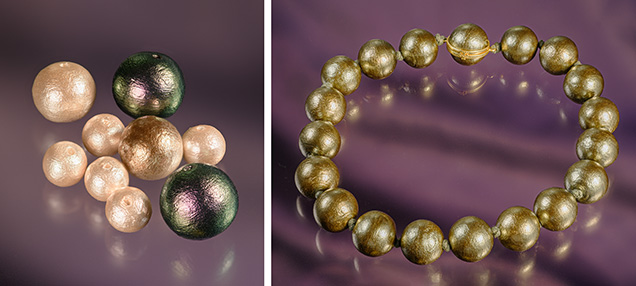
“Cotton Pearl” Imitations
An in-depth look at a new pearl simulant gaining popularity in the fashion jewelry market.
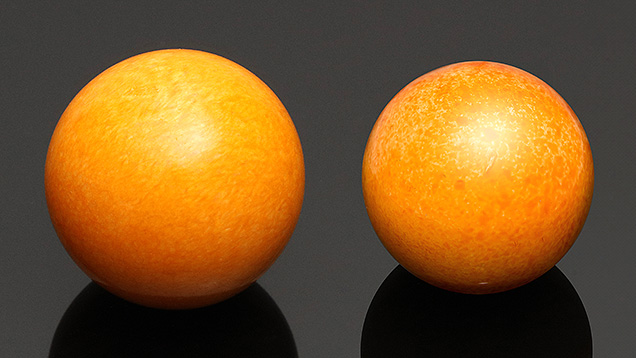
Two Imitation Melo Pearls
GIA’s Hong Kong and Bangkok laboratories report on imitation pearls with a striking resemblance to natural Melo pearls.