
◂ BACK TO GEM ENCYCLOPEDIA
Emerald
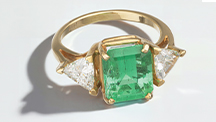
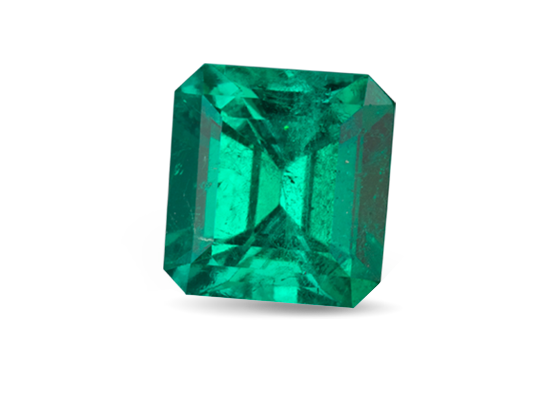
Emerald is the bluish green to green variety of beryl, a mineral species that includes aquamarine.
See Gem As
Tools
Research
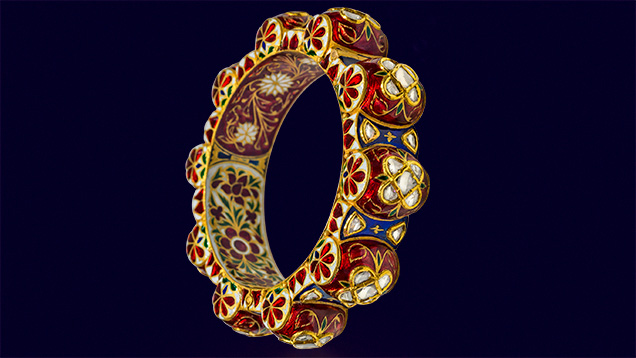
Jaipur, India: The Global Gem and Jewelry Power of the Pink City
Examines Jaipur’s role as a colored stone cutting and jewelry manufacturing center, with profiles of 17 companies and their factory, trading, and retail operations.
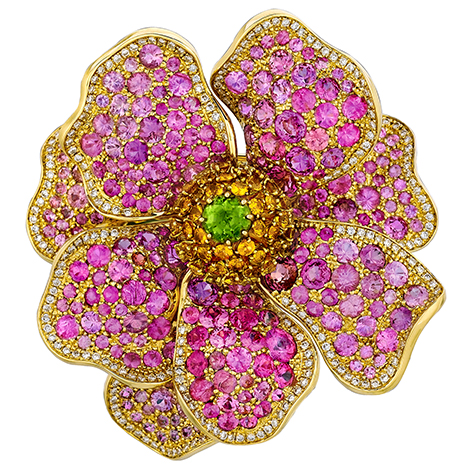
Exhibition Review: *Illuminations, from Earth to Jewel*
A review of Illuminations, from Earth to Jewel, at the Museum of Mineralogy at the ParisTech School of Mines in France.
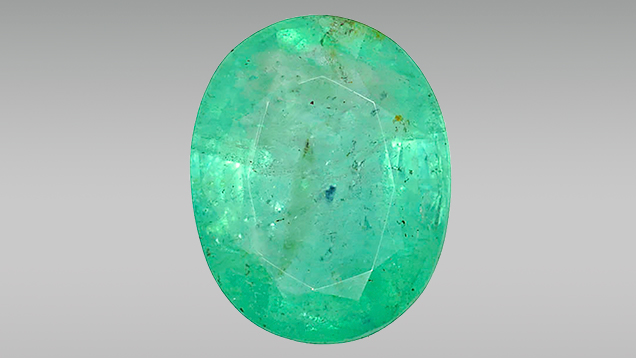
Unusual Purple Inclusion in Emerald
Microscopic examination of an emerald revealed a purple banded inclusion with the appearance and optic character of fluorite.
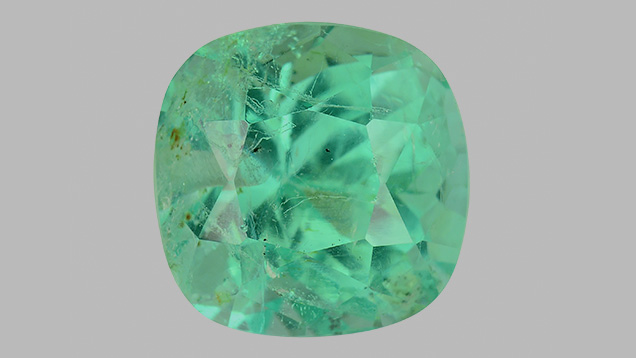
Unique Drilled Emerald
An emerald with drill holes containing a resinous material is seen in the New York lab.
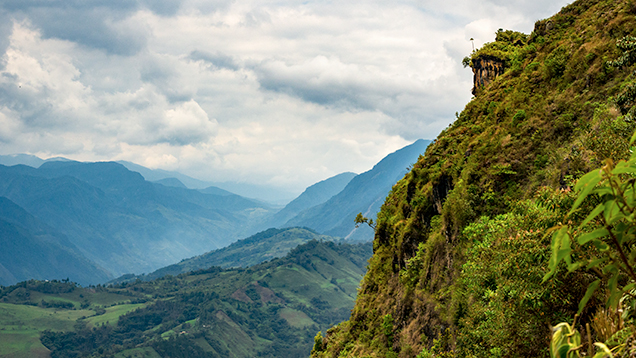
In Rainier’s Footsteps: Journey to the Chivor Emerald Mine
Chronicles the famed emerald source through the adventures of Peter W. Rainier, who directed the mine from 1926 to 1931 and restored its former glory.
Tucson: A Showcase of Colored Gemstone Innovation
An overview of the Spring 2016 Gems & Gemology content.
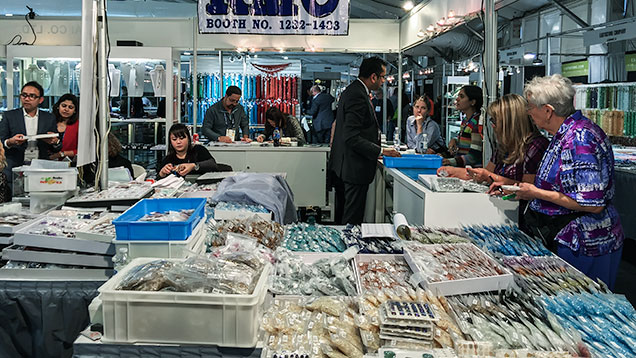
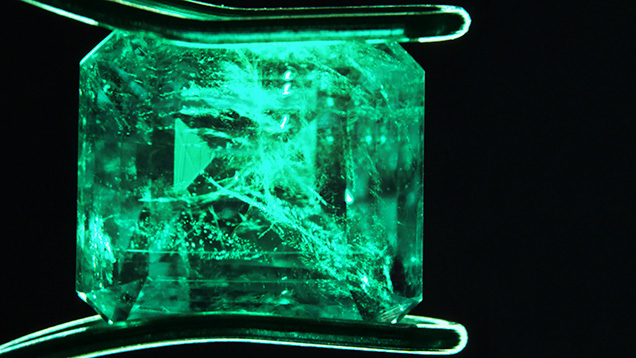
Emerald/Emerald Doublet
An unusual doublet consisting of two sections of natural emerald is examined the Tokyo lab.
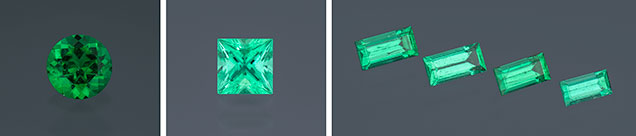
Afghan Emerald, Tajik Ruby, and Clarity-Enhanced Tourmaline
Updates on Afghan and Tajik materials, as well as treatment options to improve the clarity of various types of tourmaline.Updates on Afghan and Tajik materials, as well as treatment options to improve the clarity of various types of tourmaline.
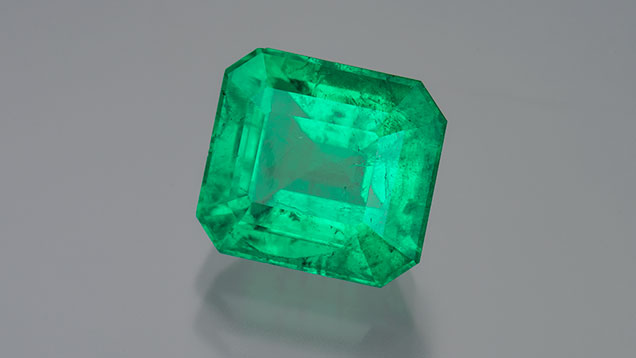
Rare Emerald from China and Pink Sapphire from Sri Lanka
An emerald from a largely unexplored Chinese deposit is seen at Tucson, along with a pink sapphire recut after removal from a necklace.
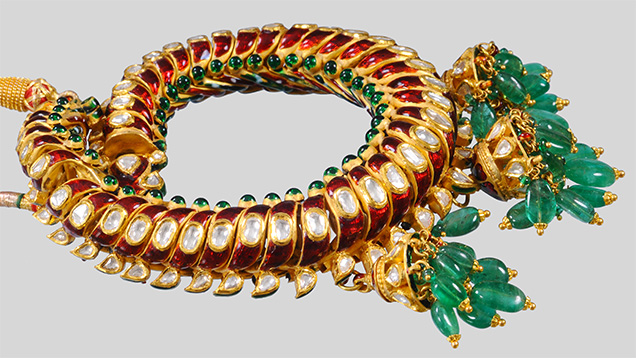
Jewelers to the Maharajas of Jaipur and Modern-Day Moguls
Enter a world not well-known in the West—the world of the maharajas and their jewelry, coveted by the modern-day moguls of business, entertainment, and royalty. See the fantastic works of art made today in the form of enameled Kundan meena jewelry and the regal look of polki diamonds.
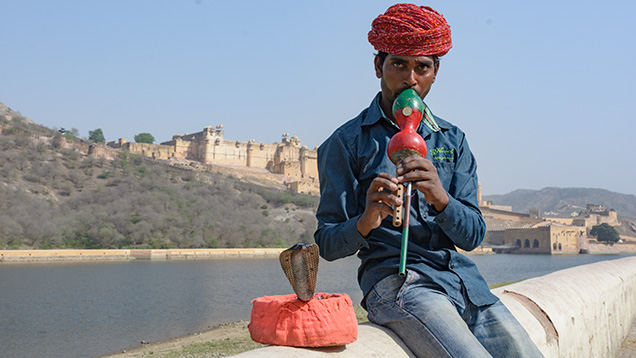
Jaipur, India: The Emerald Cutting and Trading Powerhouse
Jaipur, India, is a leading emerald cutting and trading center for the global gem and jewelry industry. See inside the industry with a GIA field team, and learn the intricacies of a business seldom seen by the public or most members of the industry.