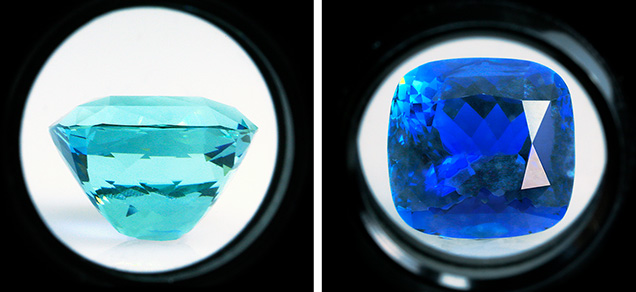
Aquamarine with Zigzag Growth Line Inclusions
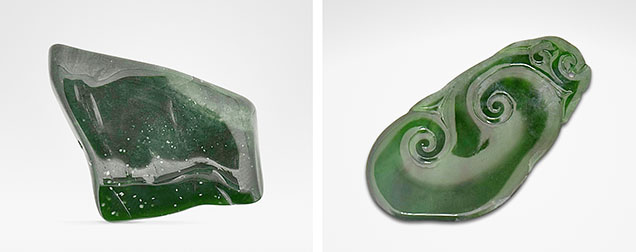
Blackish Green Omphacite Jade from Guatemala
A Guatemalan jade called yongchuliao has gained popularity among Chinese buyers.

Chicago Responsible Jewelry Conference
A report on the seventh annual Chicago Responsible Jewelry Conference.

Turquoise United Conference 2023
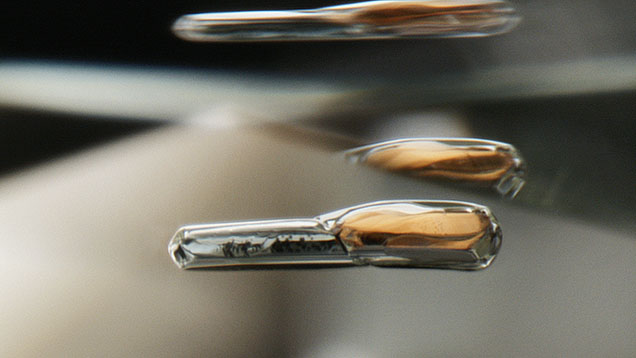
Eclogite: Diamond-Encrusted Ancient Seafloor
Explores eclogitic diamonds, which make up a significant portion of the gem diamond market, and what they reveal about Earth’s dynamic processes.
Polymer-Filled Aquamarine
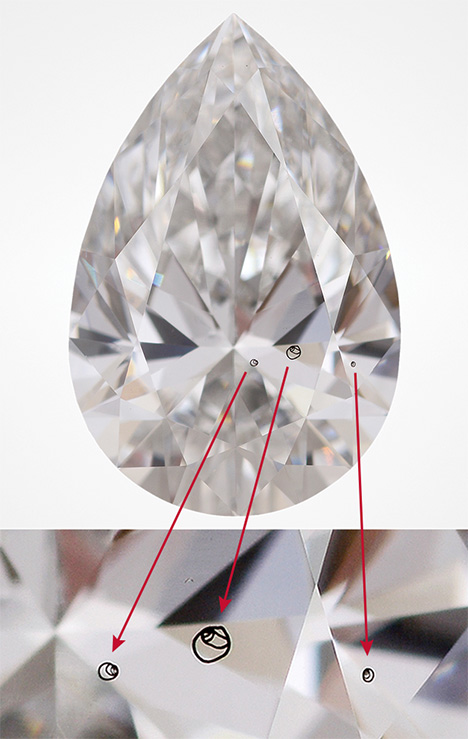
Laboratory-Grown Diamond with Internal Laser Markings
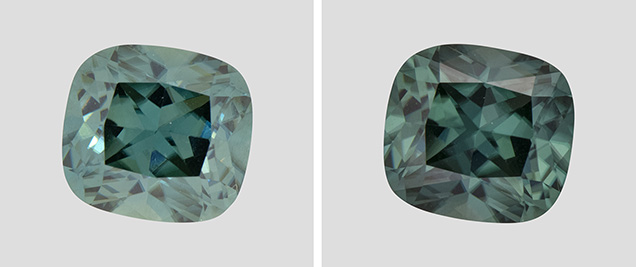
Zircon with Unusual Color-Change Behavior
The Carlsbad laboratory recently had the chance to examine a 4.60 ct cushion-cut zircon with truly unusual color behavior.
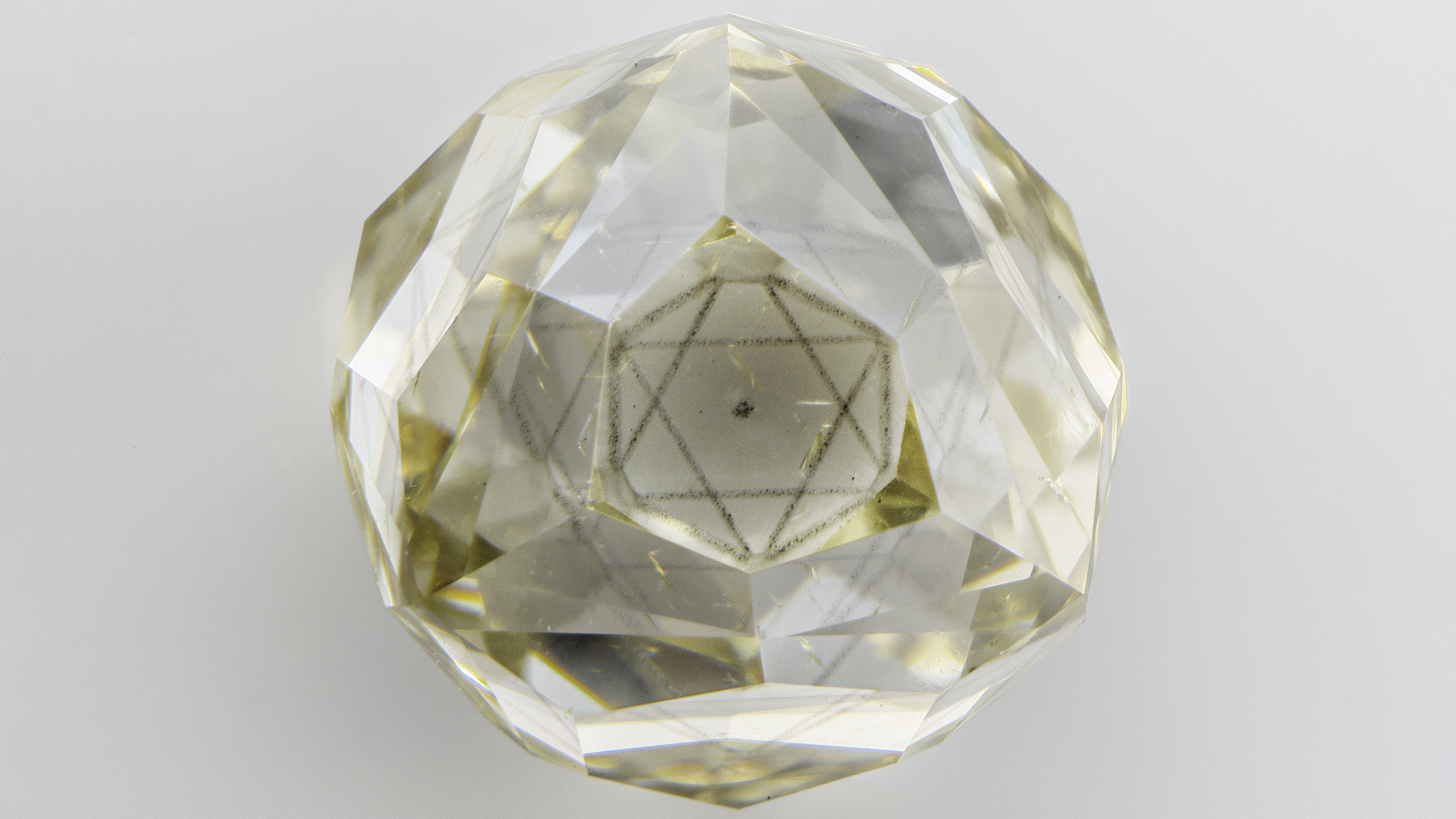
Faceted Octahedral Diamond with Octahedral-Shaped Inclusion
Creative faceting highlights an octahedral-shaped cloud inclusion in a 2.01 ct diamond octahedron.
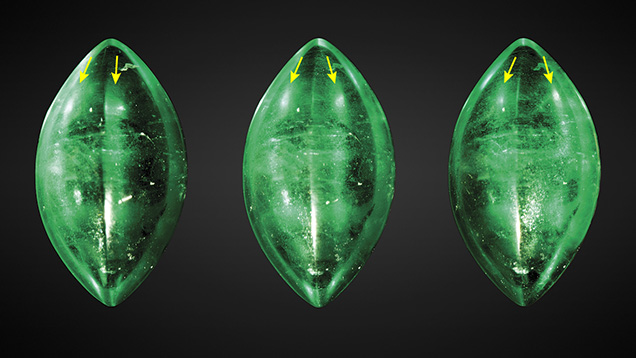
A Unique Double Cat’s-Eye Emerald
The Tokyo lab examined a stunning double cat’s-eye emerald whose chatoyancy was created both by its cut and its inclusions.

The Geographic Origin of Diamonds, Sapphire from China, and Pigments Sourced from Gem Materials
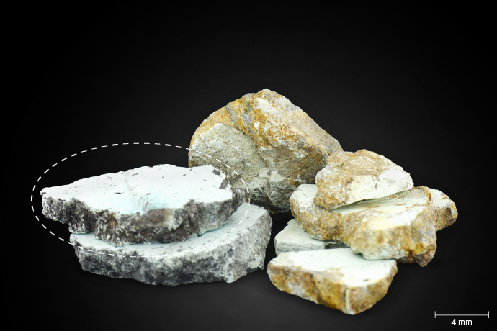
Gemological Characteristics of Low-Temperature “Gel-Filled” Turquoise
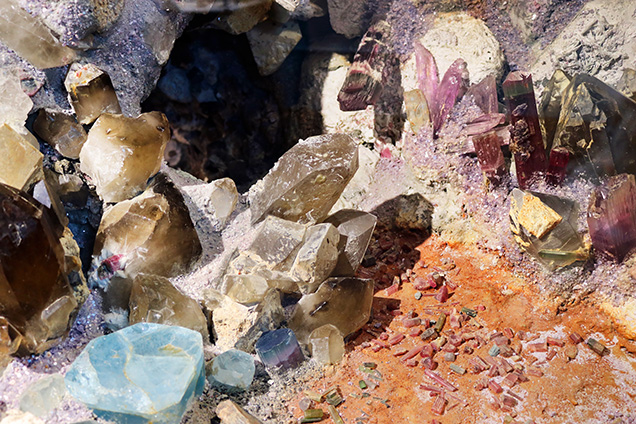
Hidden Gems at the San Diego Natural History Museum
Each level of the vertical Hidden Gems exhibit offers a different theme at the San Diego Natural History Museum.
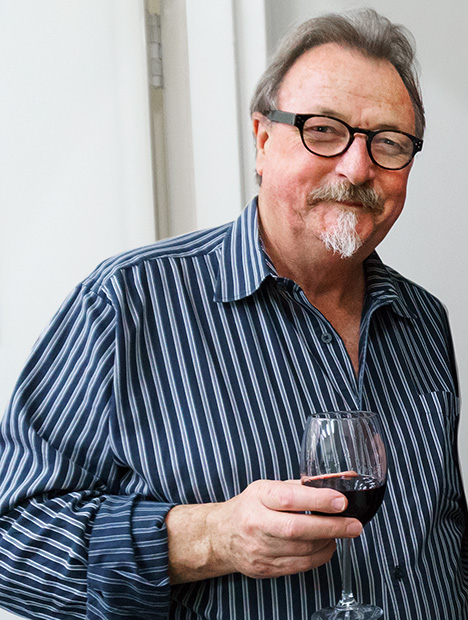
In Memoriam: Andrew Cody
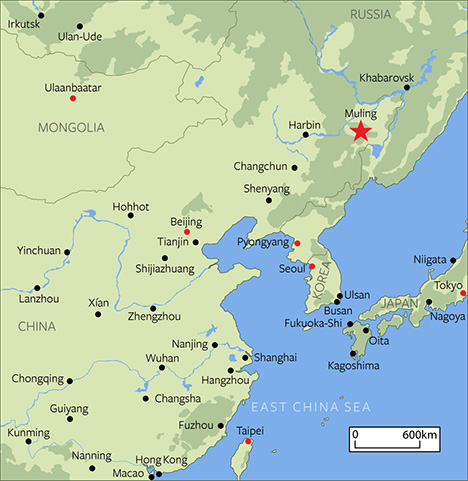
Ruby and Sapphire from Muling, China
An emerging corundum deposit in northeastern China is discussed.
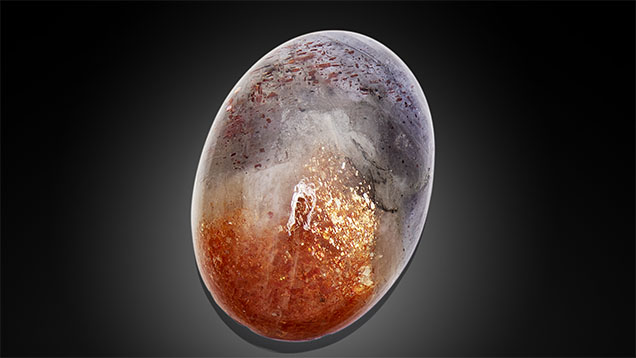
Iolite-Sunstone Intergrowth and Inclusions
At the GIA Carlsbad laboratory, the authors recently examined a cabochon of “bloodshot” iolite (containing red, eye-visible platelets of hematite) intergrown with a sunstone.
An Update on Color in Gems. Part 2: Colors Involving Multiple Atoms and Color Centers
This is the second part in a three-part series on the origin of color in gem materials.
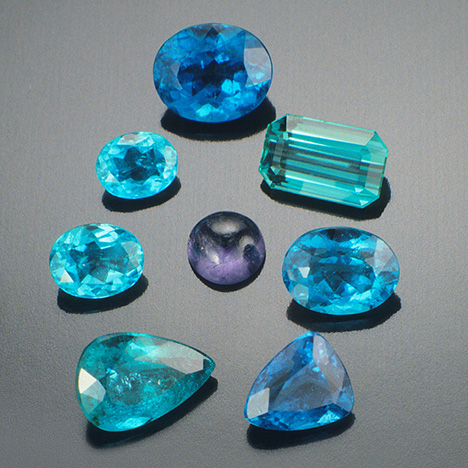
Geographic Origin Determination of Paraíba Tourmaline
Copper-bearing gem tourmaline, known as Paraíba tourmaline after the location of its original discovery, is prized for its vivid blue to green color. This article explains GIA’s use of quantitative chemical analyses to distinguish samples from Brazil, Nigeria, and Mozambique.
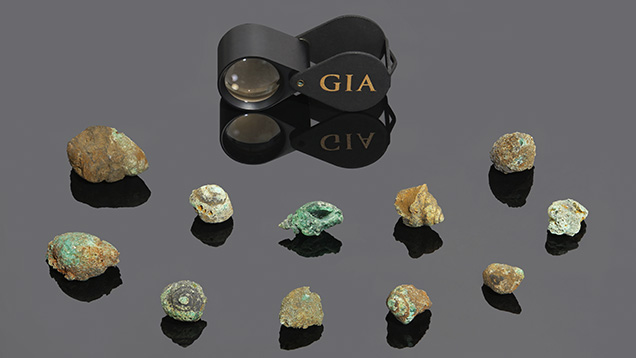
Fossilized Shell Consisting of Emerald
.jpg "YMAL GIA Ed")