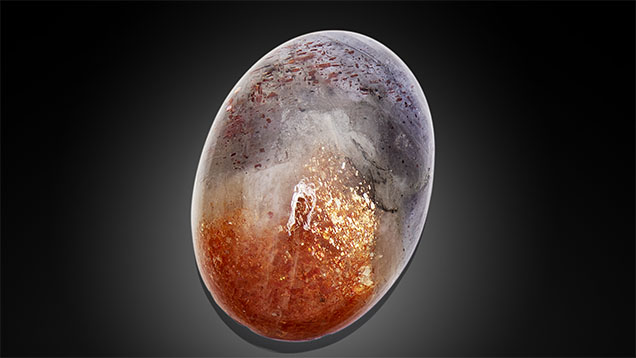
Iolite-Sunstone Intergrowth and Inclusions
At the GIA Carlsbad laboratory, the authors recently examined a cabochon of “bloodshot” iolite (containing red, eye-visible platelets of hematite) intergrown with a sunstone.
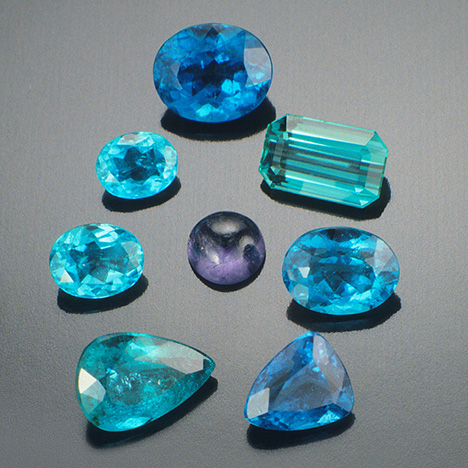
Geographic Origin Determination of Paraíba Tourmaline
Copper-bearing gem tourmaline, known as Paraíba tourmaline after the location of its original discovery, is prized for its vivid blue to green color. This article explains GIA’s use of quantitative chemical analyses to distinguish samples from Brazil, Nigeria, and Mozambique.
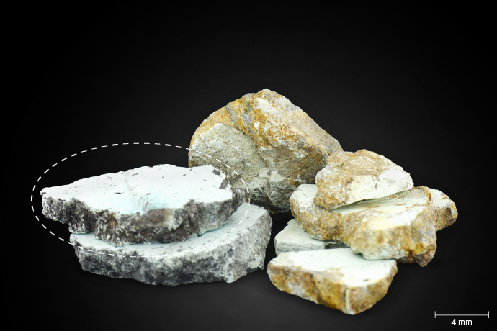
Gemological Characteristics of Low-Temperature “Gel-Filled” Turquoise
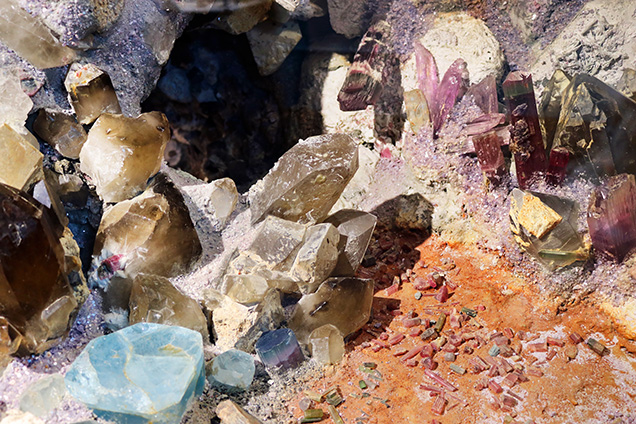
Hidden Gems at the San Diego Natural History Museum
Each level of the vertical Hidden Gems exhibit offers a different theme at the San Diego Natural History Museum.

In Memoriam: Andrew Cody
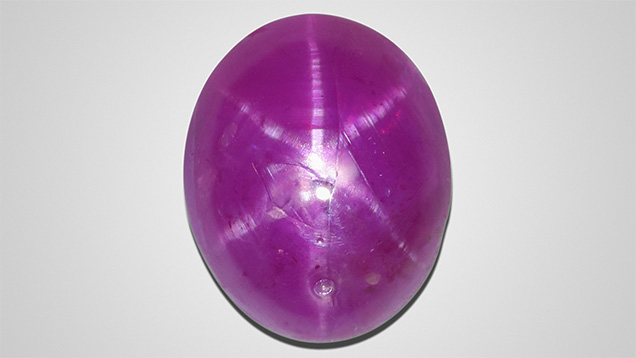
Bismuth Glass-Filled Burmese Star Ruby
The Hong Kong laboratory recently examined a Burmese star ruby incorporating a significant amount of bismuth glass.
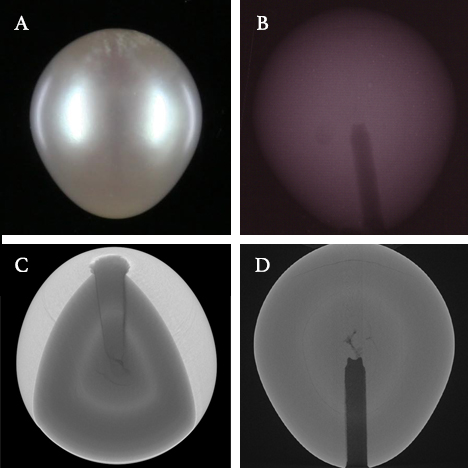
X-ray Computed Microtomography Applied to Pearls: Methodology, Advantages, and Limitations
X-ray computed microtomography reveals the internal features of pearls with great detail.
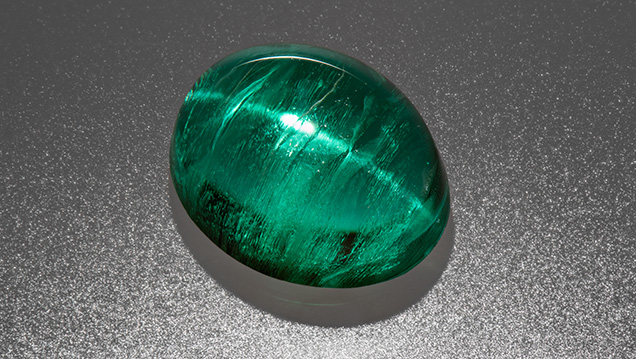
Gilson Cat’s-Eye Synthetic Emerald
In the early 1960s, French ceramist and engineer Pierre Gilson succeeded in growing and producing flux synthetic emerald of commercially marketable quality.
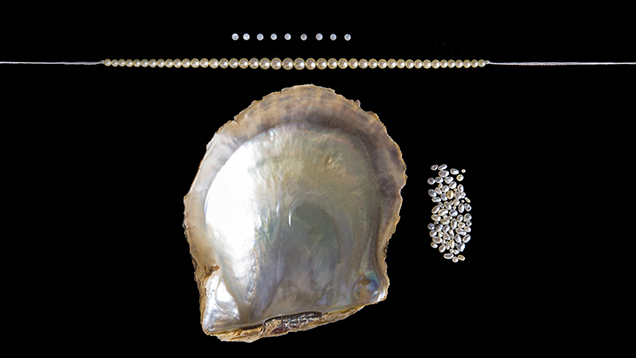
Very Small Akoya Cultured Pearls
A selection of very small akoya cultured specimens demonstrates the challenges gemologists face when determining pearl origin.
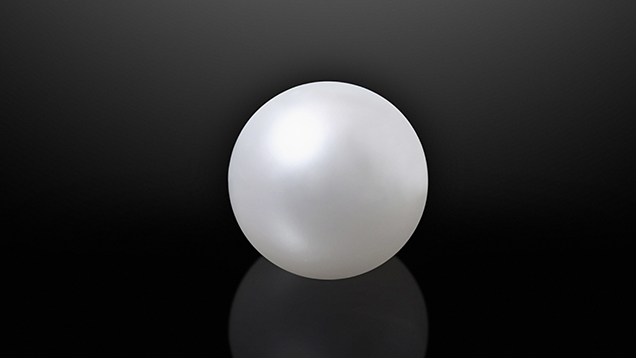
Saltwater Bead Cultured Pearl with Laminated Nucleus
Internal Structures of Known Pinctada maxima Pearls: Natural Pearls from Wild Marine Mollusks
Presents the internal characteristics of natural P. maxima pearls, obtained from real-time microradiography (RTX) and X-ray computed microtomography (µ-CT) analysis of 774 samples.
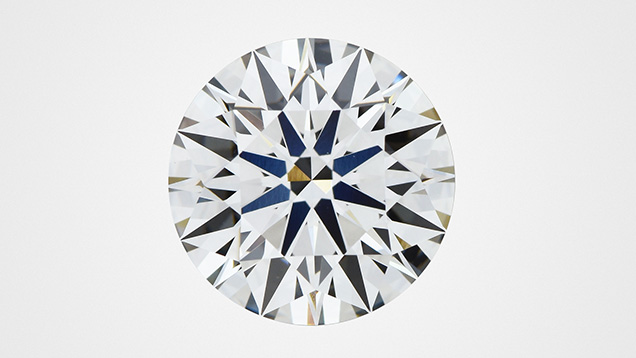
CVD Laboratory-Grown Diamond with Counterfeit GIA Inscription
A CVD laboratory-grown diamond with a fraudulent GIA inscription is submitted to the Antwerp lab.
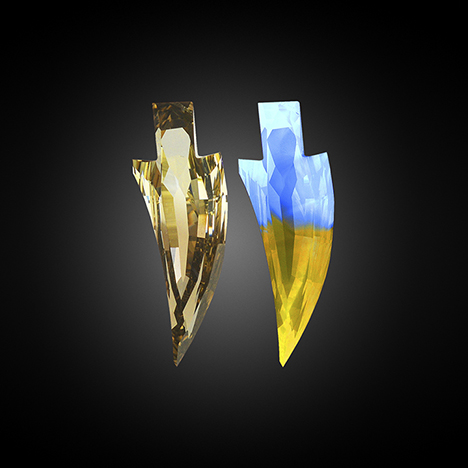
Novelty Cut Diamond with Remarkable “Fire and Ice” Fluorescence
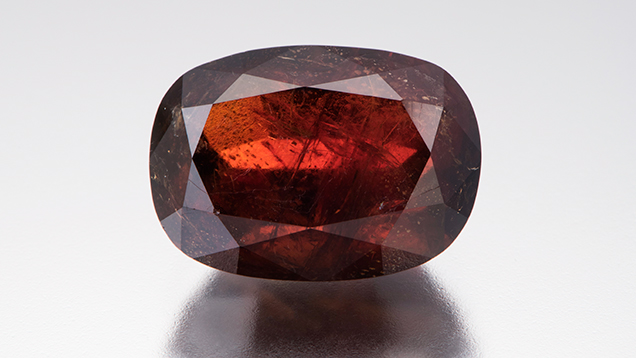
Unusual Dark Orangy Red Cordierite
A cordierite with a color not seen in the GIA lab is examined in New York.
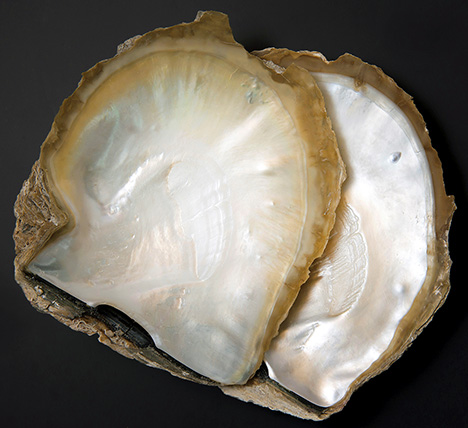
Known Non-Nacreous Non-Bead Cultured Pearls and Similar Unknown Pearls of Likely Cultured Origin from Pinctada maxima
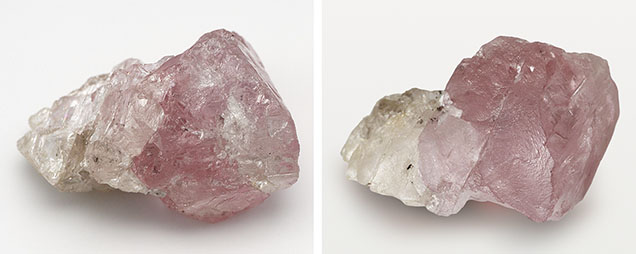
Extraordinary Large Bicolor Natural Rough Diamond
A 37.41 ct natural rough diamond with distinct pink and colorless zones is examined at GIA’s Botswana laboratory.
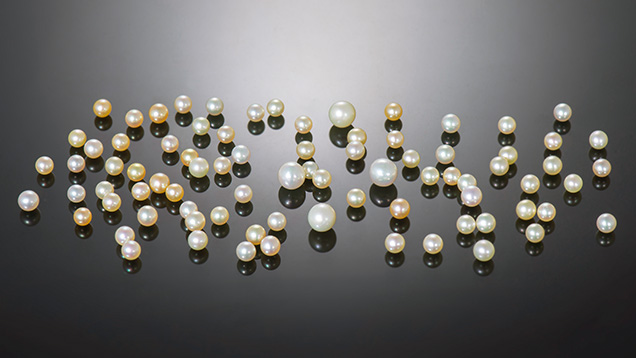
How GIA Analyzes Pearls from Start to Finish
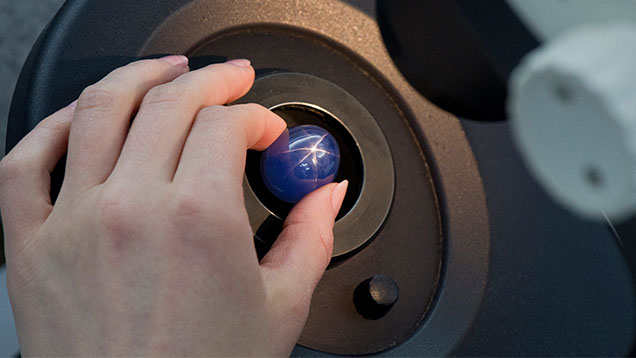
How GIA Analyzes Colored Stones from Start to Finish
.jpg "YMAL GIA Ed")