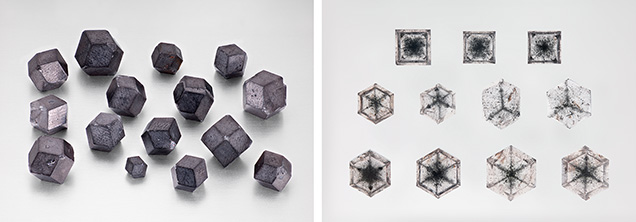
Unique Trapiche Grossular from China
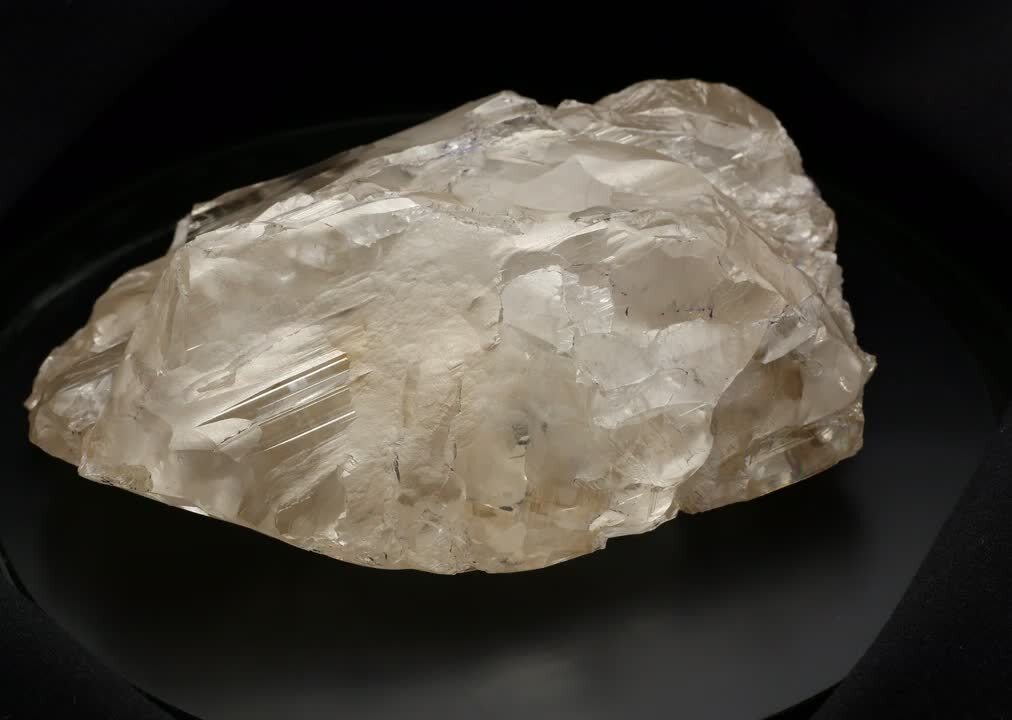
Grossular crystals cut along specific orientations reveal a distinct trapiche structure.
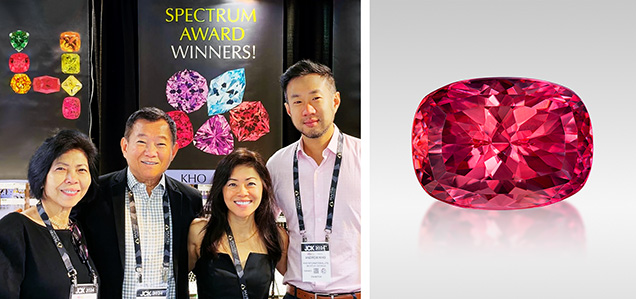
Ben Kho: From Rough Beginnings to Brilliant Mastery
Profiles the extraordinary life and work of Ben Kho, from a young entrepreneur in Cambodia to an award-winning gem cutter.
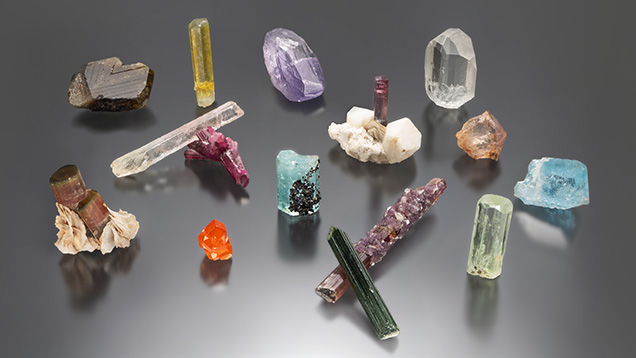
Gem Granitic Pegmatites
Describes the geology, mineralogy, and formation of granitic-composition pegmatites and provides a summary of their worldwide occurrences.
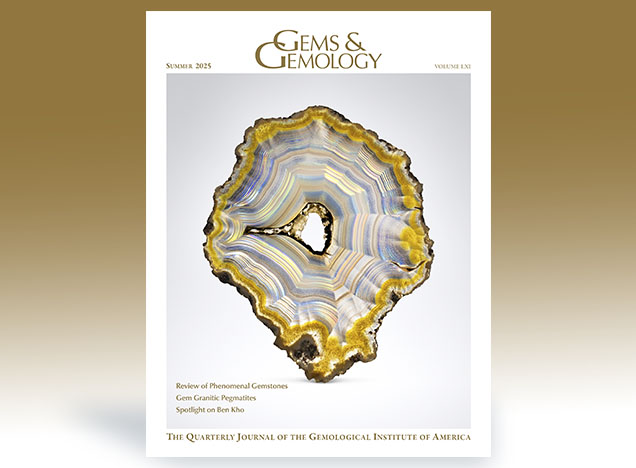
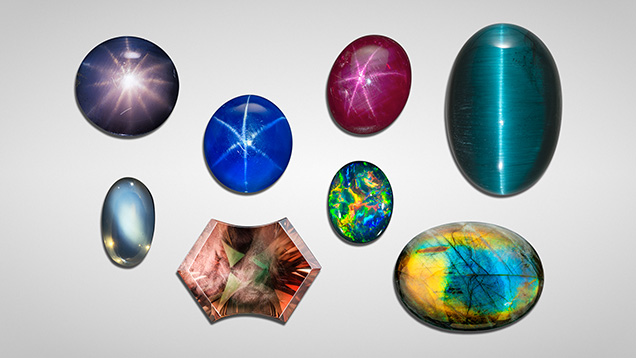
Structures Behind the Spectacle: A Review of Optical Effects in Phenomenal Gemstones and Their Underlying Nanotextures
Provides a comprehensive summary of the special optical effects in gemstones, including opalescence, chatoyancy, asterism, schiller, and iridescence, and investigates the submicron inclusions and nanotextures in each type of phenomenal stone.
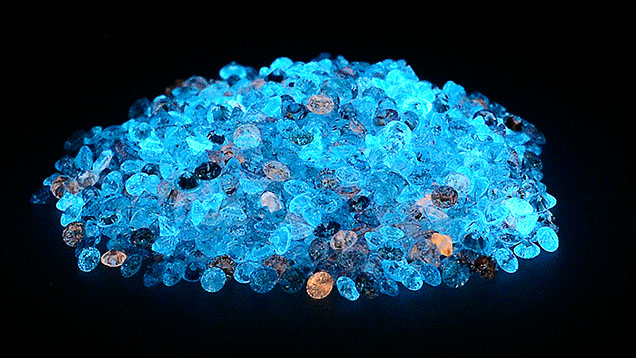
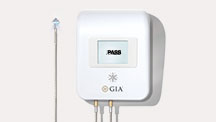
How-To Guide: Testing Diamonds and Gems using UV Light
GIA developed this guide so retailers can use fluorescence tests to help identify gems right in their own stores.
Black Opal with Unique Play-of-Color
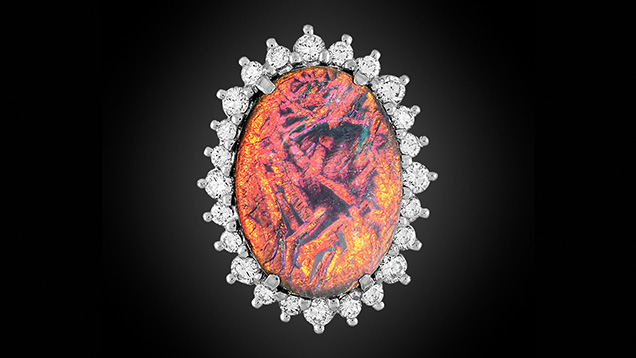
A black opal cabochon set in a ring displays vivid orange play-of-color.
A Study of the Winston Red: The Smithsonian’s New Fancy Red Diamond
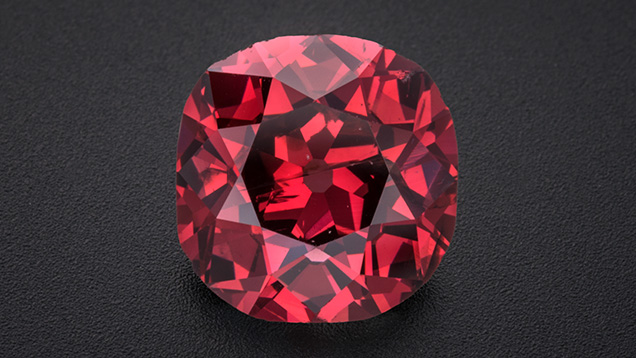
Presents the first scientific and historical study conducted on the 2.33 ct Winston Red, the fifth-largest known Fancy red diamond in existence.
Assembled Bead Cultured Half-Pearl
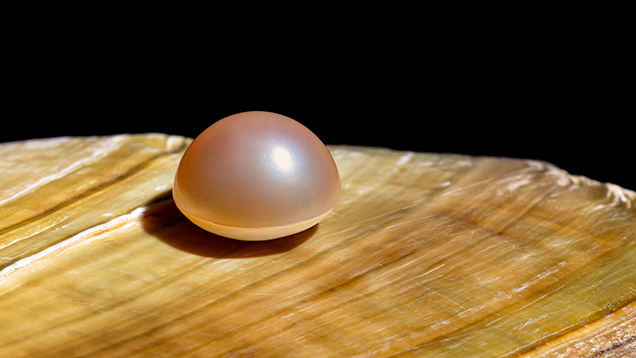
Investigation in the Carlsbad laboratory reveals a pearl submission is not mabe as initially believed.
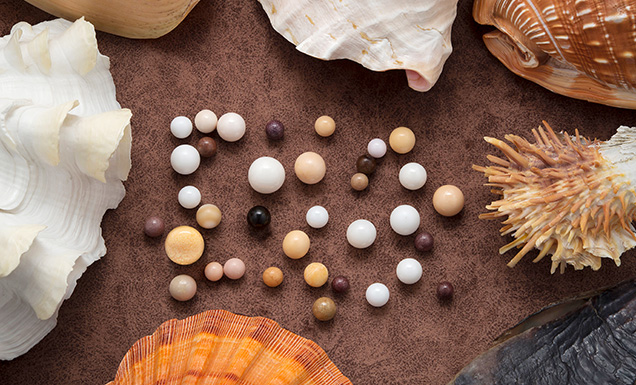
Natural Non-Nacreous Pearls from Various Marine Mollusks
The Bangkok laboratory studies 35 loose non-nacreous pearls from a wide range of marine mollusk species.
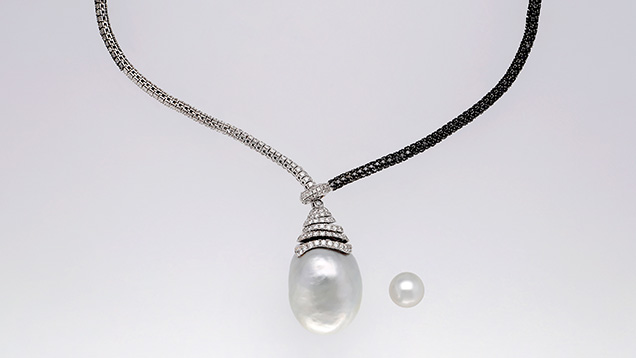
Enormous South Sea Cultured Pearl with Filled and Partially Hollow Structure
Examination of a gigantic South Sea bead cultured pearl reveals an intriguing internal structure.
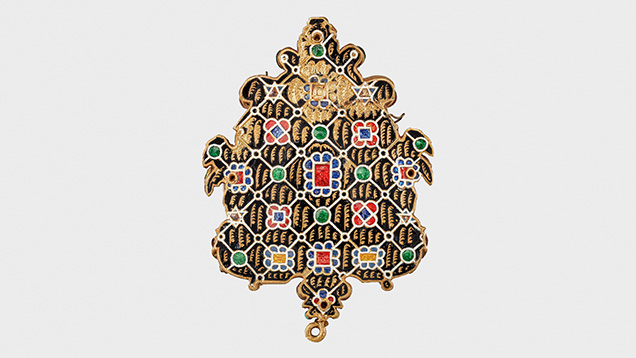
Emeralds in Catherine de’ Medici’s Pendant: An Unexpected Geographic Origin
Archival research and gemological characterization reveal the geographic origin of two emeralds set in a pendant linked to Catherine de’ Medici, Queen of France from 1547 to 1559.
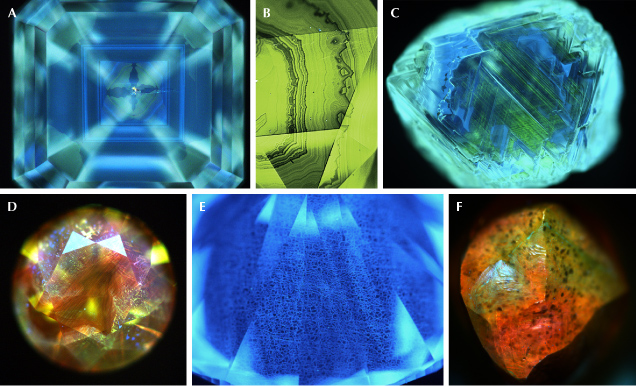
G&G in a Flash: Glowing Gems - What Does Fluorescence Tell Us?
Learn about the principles, mechanisms, and characteristics of luminescence that create the impressive and memorable glow of gemstones.
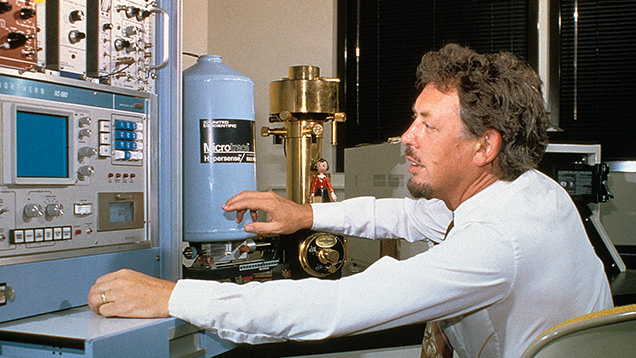
Analytical Techniques in Gemology: A Historical Overview
Gemology has become a highly technical field employing analytical instruments for gem testing, driven by the need to address increasingly complex identification challenges in the marketplace.
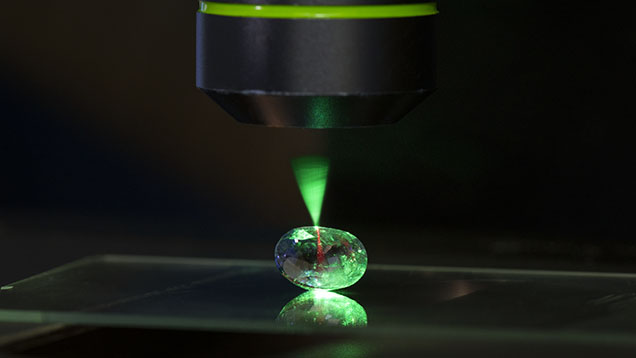
Shining a Light on Gemstone Properties: An Exploration of Photoluminescence Spectroscopy
Photoluminescence spectroscopy examines how gemstones absorb and emit light, uncovering crucial details about their identity and color origin through the detection of microscopic defects and impurities.
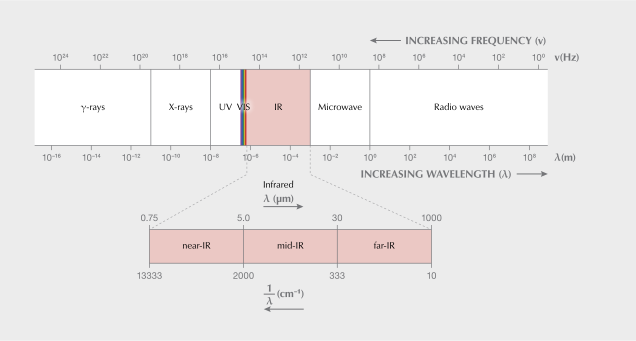
Infrared Spectroscopy and Its Use in Gemology
Infrared spectroscopy, specifically FTIR analysis, measures atomic vibrations to determine identity, cause of color, and potential treatments by analyzing how a gemstone absorbs infrared light.
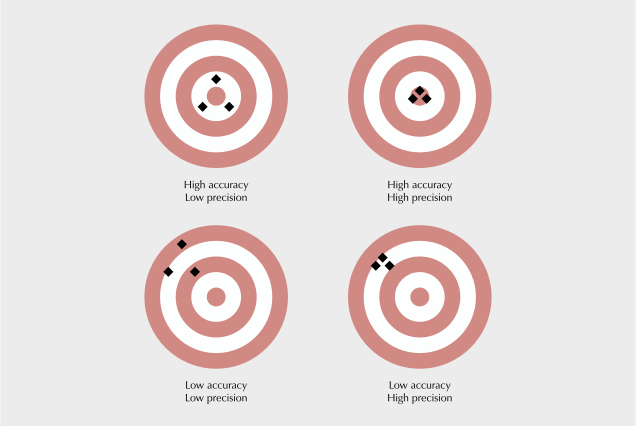
Metrology at GIA
GIA ensures accurate gemological measurements across its global laboratories through rigorous metrology practices, including systematic instrument calibration, validation from traceable standards, and continuous monitoring by trained staff to maintain precision and consistency.
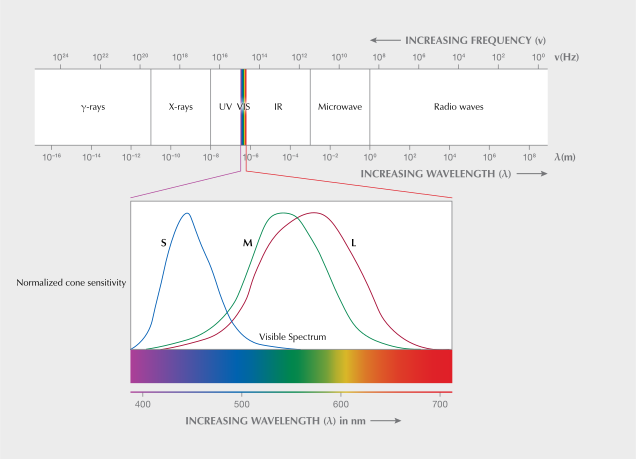
Application of UV-Vis-NIR Spectroscopy to Gemology
UV-Vis-NIR spectroscopy measures how gemstones absorb and interact with light across the ultraviolet, visible, and near-infrared ranges, revealing crucial information about their composition, origin, and potential treatments.
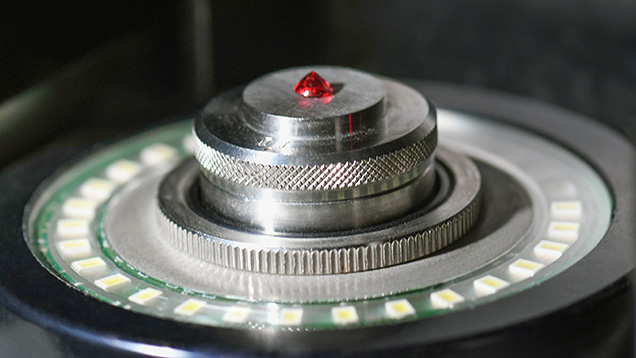
Analysis of Gemstones at GIA Laboratories
GIA’s laboratories use advanced instrumentation and research to deliver accurate grading, identification, and origin determination for natural and laboratory-grown diamonds, colored stones, and pearls.
.jpg "YMAL GIA Ed")