
◂ BACK TO GEM ENCYCLOPEDIA
Pearl
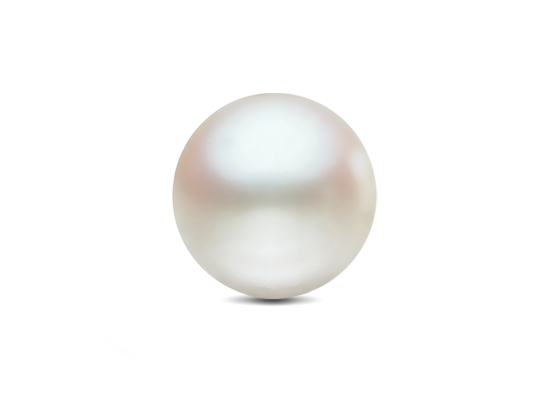
Perfect shining spheres. Lustrous baroque forms. Seductive strands, warm to the touch. Pearls are simply and purely organic.
See Gem As
Tools
Research
A pearl identification challenge
Sturman N., Otter L.M., Homkrajae A., Manustrong A., Nilpetploy N., Lawanwong K., Kessrapong P., Jochum K.P., Stoll B., Götz H., Jacob D.E. (2019) A pearl identification challenge. Gems & Gemology, Vol. 55, No. 2, pp. 229-243.
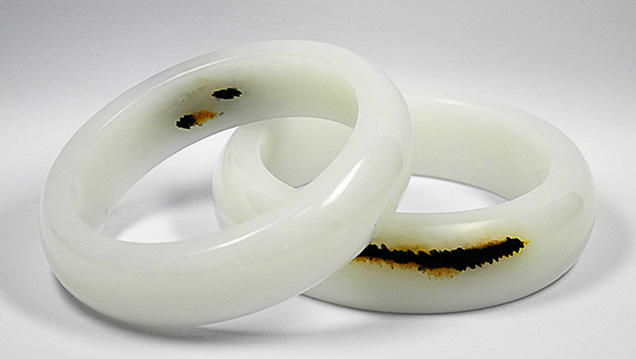
Nephrite Bracelet with Filled Cavity
A jade bracelet contains unusual fillers, used to create a smooth surface.
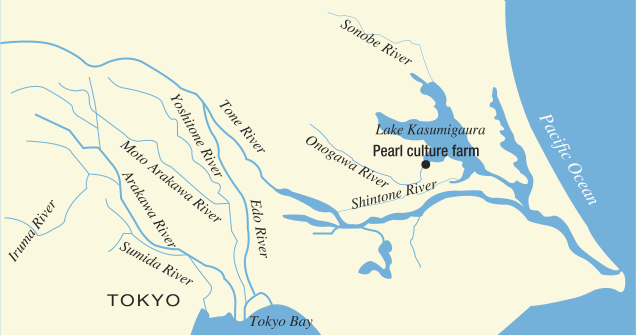
Cultured Pearls from Lake Kasumigaura: Production and Gemological Characteristics
Examines Japanese “Kasumiga” freshwater cultured pearls, which grow in a variety of colors.
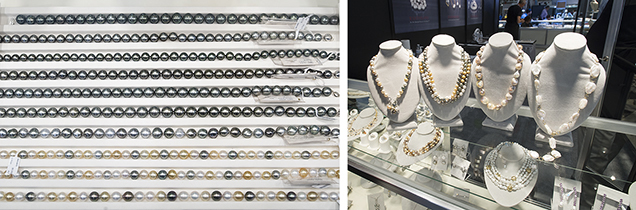
Cultured Pearl Update
Fran Mastoloni shares his thoughts on the status of the cultured pearl market.
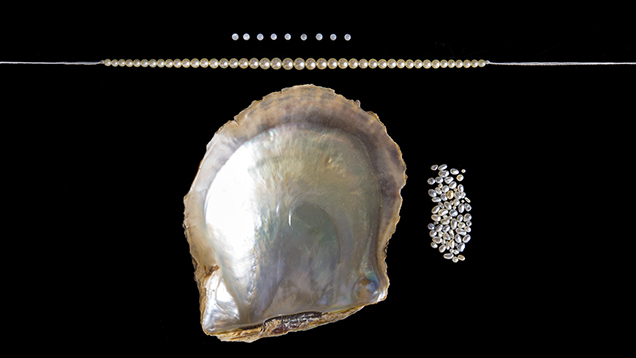
Very Small Akoya Cultured Pearls
A selection of very small akoya cultured specimens demonstrates the challenges gemologists face when determining pearl origin.
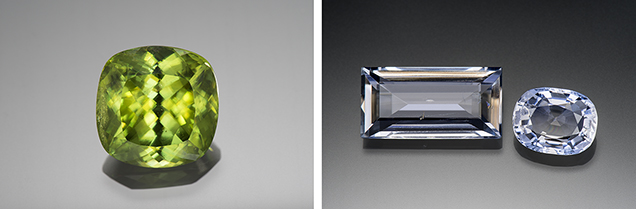
Vibrantly Colored Gems
Bill Larson of Pala International reports a very strong AGTA Tucson show.
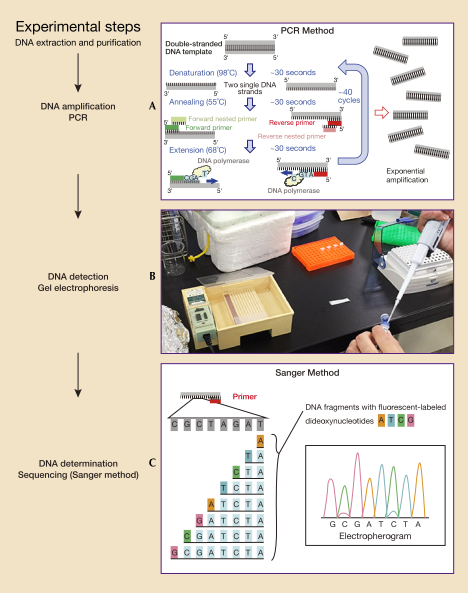
DNA Techniques Applied to the Identification of Pinctada Fucata Pearls from Uwajima, Ehime Prefecture, Japan
Shows how genetic material extracted from small amounts of pearl powder can be a useful indicator of this akoya cultured pearl species.
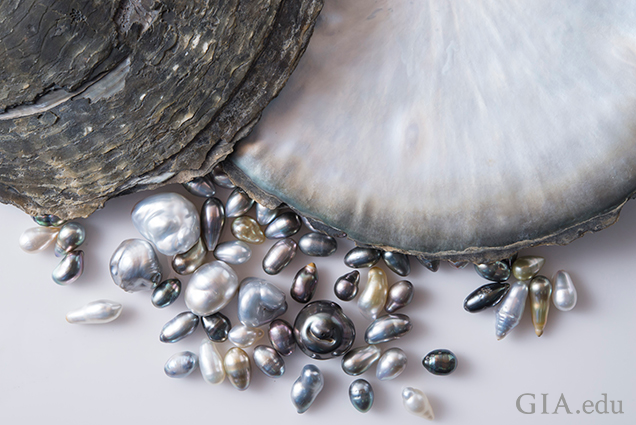
Non-Bead-Cultured Pearls from Pinctada margaritifera
A new report from GIA's Bangkok laboratory examines a set of 120 NBC samples stated to be of "Tahitian" origin.
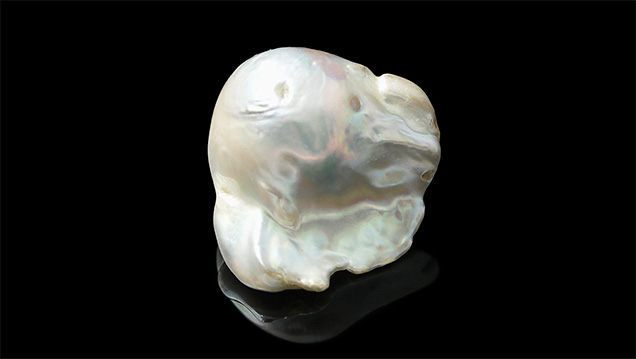
Filled Pearl with Surface Features
A pearl, thought to be natural, is revealed to be a bead-cultured specimen with a pre-drilled nucleus.
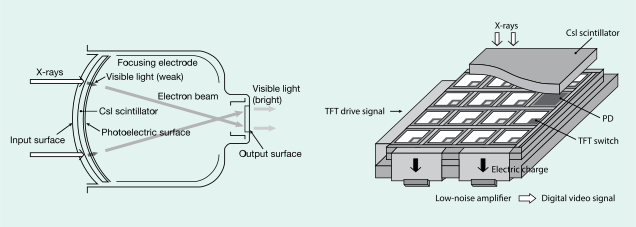
Real-Time Microradiography of Pearls: A Comparison Between Detectors
Compares the image quality provided by real-time microradiographic imaging (RTX) units fitted with two different detectors: an image intensifier (II) and a flat panel detector (FPD).
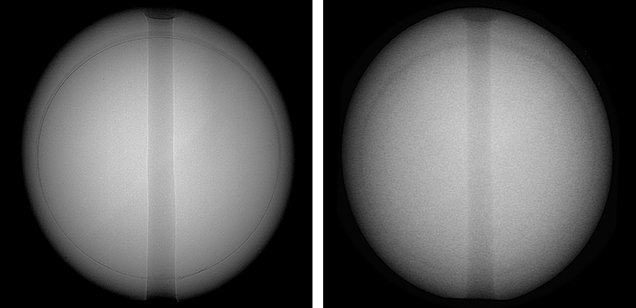
Data Supplement
Compares the image quality provided by real-time microradiographic imaging (RTX) units fitted with two different detectors: an image intensifier (II) and a flat panel detector (FPD).

Akoya Cultured Pearl Farming in Eastern Australia
Characterizes the akoya cultured pearls produced on the eastern shoreline of Australia using native Pinctada imbricata fucata mollusks.