
◂ BACK TO GEM ENCYCLOPEDIA
Pearl
Perfect shining spheres. Lustrous baroque forms. Seductive strands, warm to the touch. Pearls are simply and purely organic.
See Gem As
Tools
Research
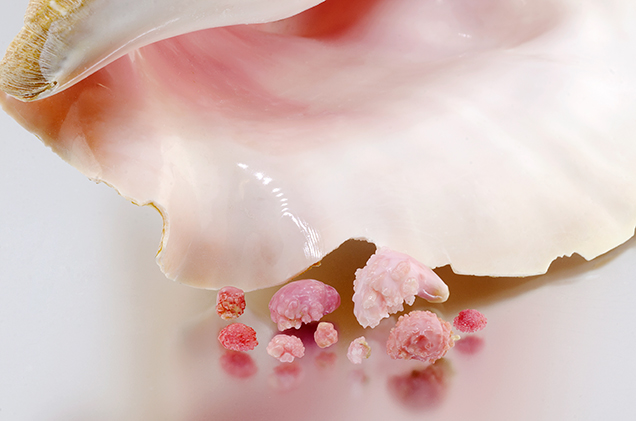
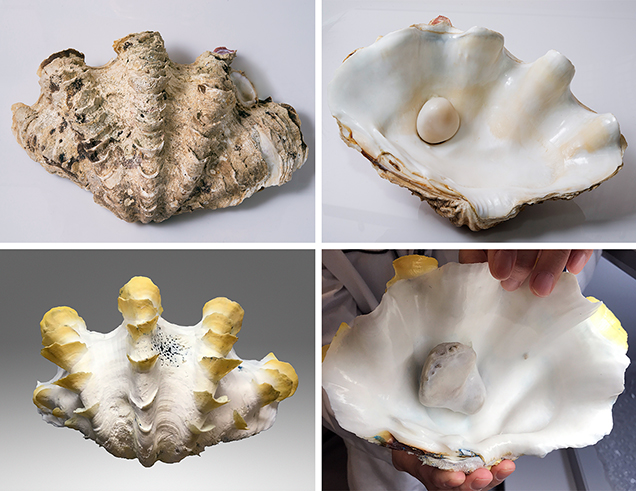
Partially Hollow Tridacna Blister Pearls with Shells Attached
Blister pearls attached to shells are seen in both the Bangkok and New York laboratories.
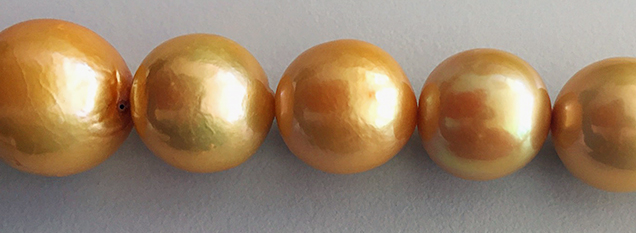
Dyed Yellow Beaded Freshwater Cultured Pearls Imitating South Sea Cultured Pearls
A yellow cultured pearl necklace is compared to the work of a producer specializing in freshwater pearls of all colors.
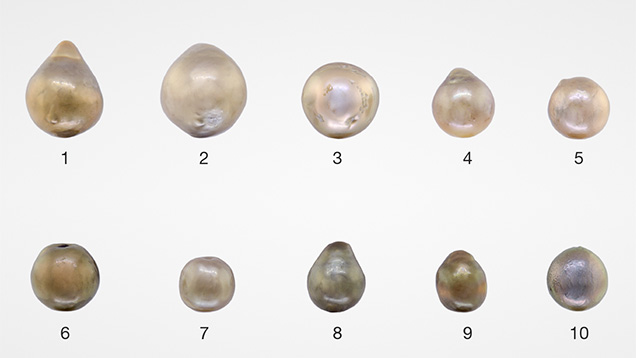
Atypical Bead-Cultured Pearls with Unusual Nacre Growth
Bead-cultured pearls with growth patterns within the drill holes are seen in the New York lab.

“Sango Pearl” from Japan
A study of a pink Japanese akoya cultured pearl yields information about the material’s color origin.
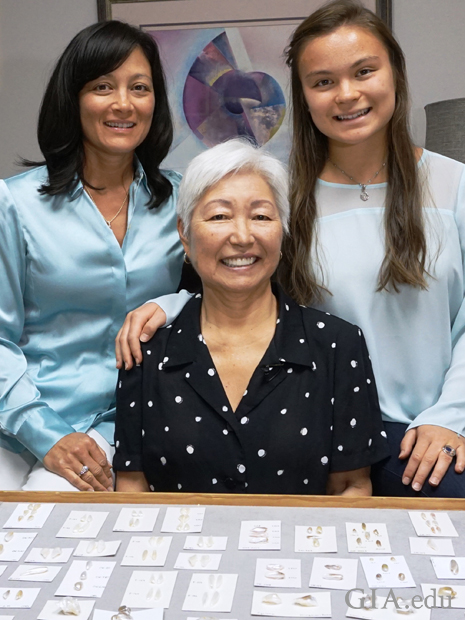
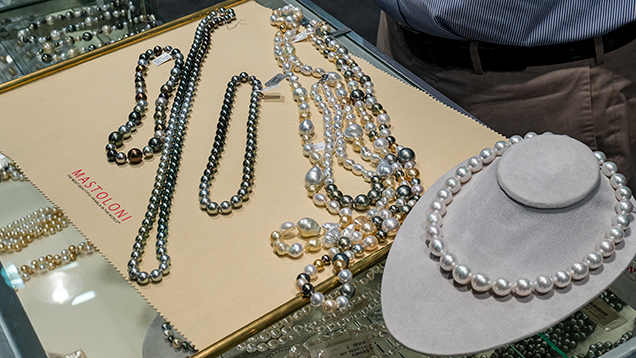
The Lure of American Freshwater Pearls: Revisiting the Latendresse Family
John Latendresse is known as the father of American cultured pearls. He was also a great natural pearl collector and left his family a remarkable natural pearl collection. The Latendresse family is well recognized in the American pearl industry and has long supported GIA pearl research. Come with us to revisit this family and their pearl collection.
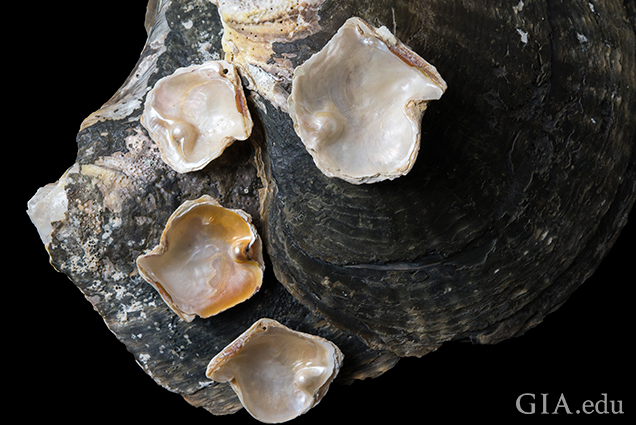
Pinctada maculata (Pipi) Bead-Cultured Blister Pearls Attached to Their Shells
A study on four Pinctada maculata cultured blister pearls originating from Penrhyn Island.
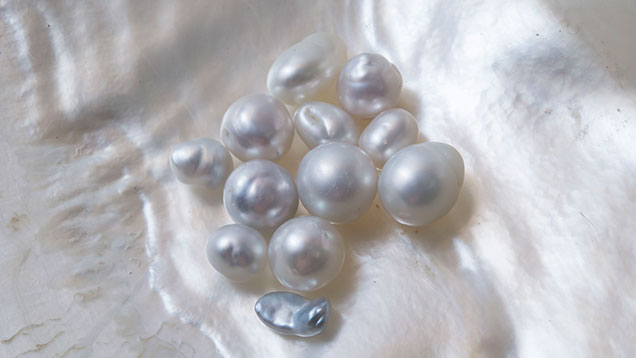
Atypical “Beading” in the Production of Cultured Pearls from Australian Pinctada maxima
In 2011, the authors began to see cases of low-quality natural pearls being used as unconventional “beads” for cultured nacre growth.
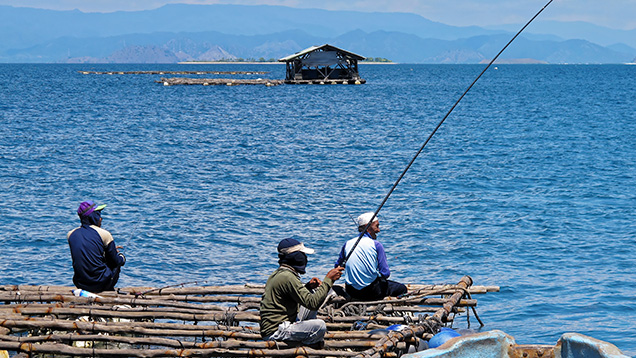
Bead-Cultured and Non-Bead-Cultured Pearls from Lombok, Indonesia
Documents the retrieval and testing of P. maxima cultured pearls from a Lombok hatchery.
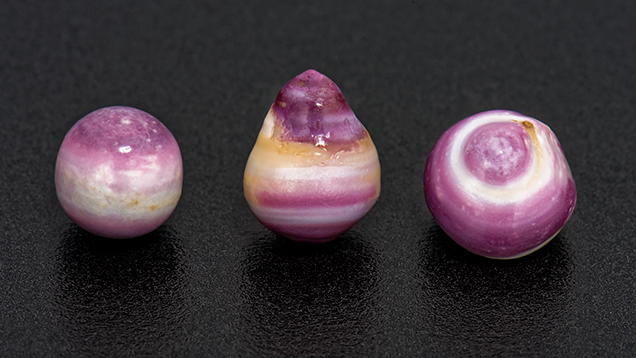
Non-Nacreous Purple and White Pearls Reportedly from Spondylus Species
Examination of pearls with a dominant purple hue, reportedly from the Spondylus calcifer mollusk.
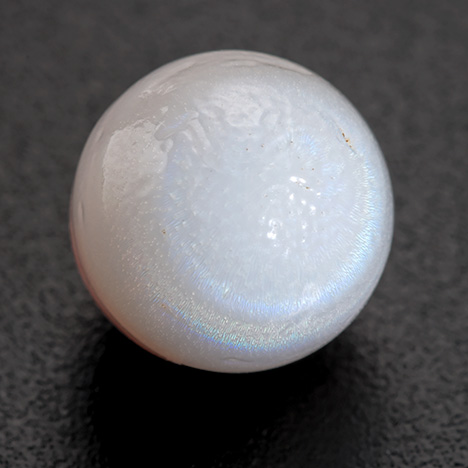
Iridescent Spondylus Pearl
Iridescence is seen in a porcelaneous pearl examined at the Carlsbad laboratory.