

◂ BACK TO GEM ENCYCLOPEDIA
Ruby
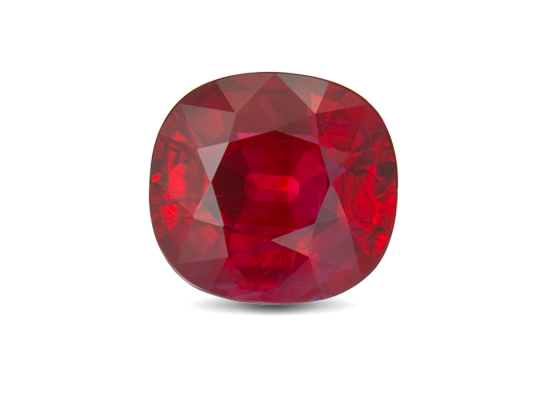
Ruby is the most valuable variety of the corundum mineral species, which also includes sapphire.
See Gem As
Tools
Research
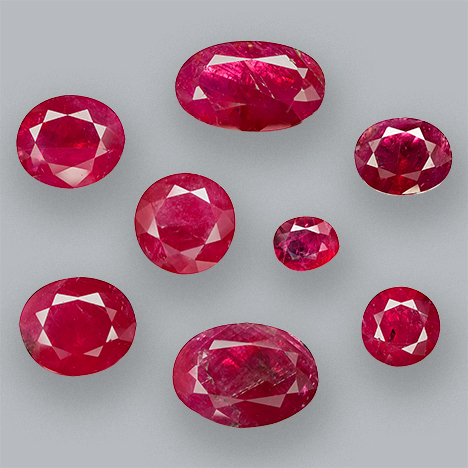
Preliminary Study on Rubies Reportedly from Pokot, Kenya
Reports on the internal features and spectroscopic and trace-element analysis of rubies reportedly from Pokot, Kenya.
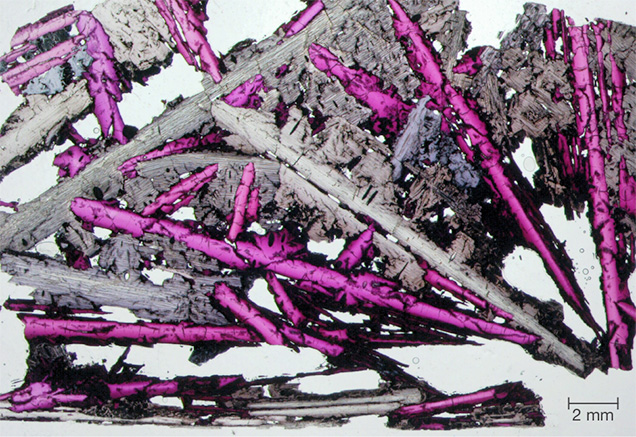
Metallic Chromium Inclusions in Industrial By-Product Ruby
Inclusions in technogenic ruby slag help to separate this material from other specimens, both natural and synthetic.
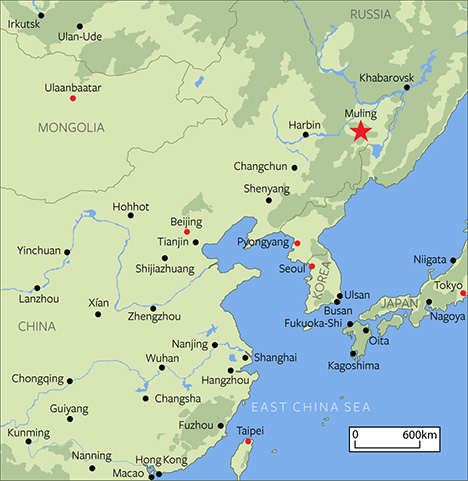
Ruby and Sapphire from Muling, China
An emerging corundum deposit in northeastern China is discussed.
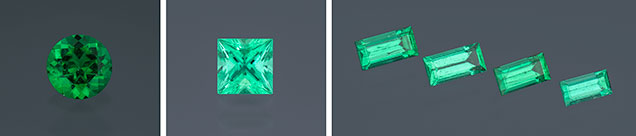
Afghan Emerald, Tajik Ruby, and Clarity-Enhanced Tourmaline
Updates on Afghan and Tajik materials, as well as treatment options to improve the clarity of various types of tourmaline.Updates on Afghan and Tajik materials, as well as treatment options to improve the clarity of various types of tourmaline.
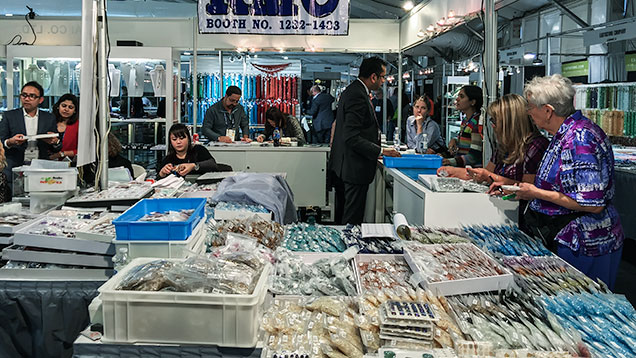
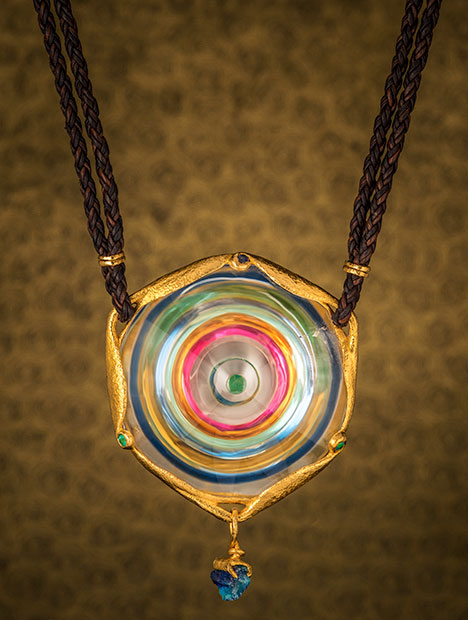
Wheel of Light’s Mesmerizing Optics
A closer look at the Spectrum award-winning pendant from Nature’s Geometry.
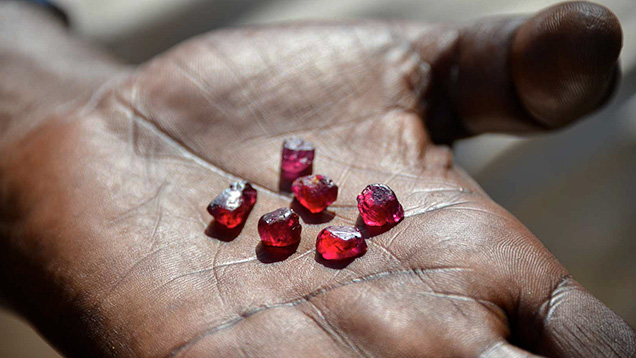
Rubies from a New Deposit in Zahamena National Park, Madagascar
A field expedition from GIA Bangkok explores a new ruby deposit and collects specimens for study.
GIA Field Gemologist Documents Madagascar Ruby Rush
Join GIA’s recent field expedition to the ruby rush in Madagascar’s Zahamena National Park.
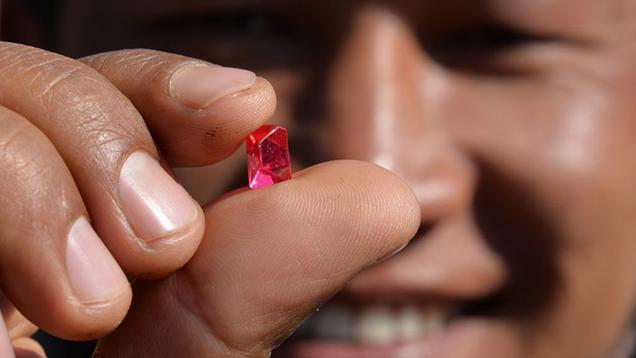
GIA Field Gemologists seek Ruby, Sapphire, and Spinel in Mogok, Myanmar
Venture deep underground with GIA’s Field Gemologists Vincent Pardieu and Dr. Aaron Palke as they explore the geology of Mogok’s ruby, sapphire, and spinel deposits.
.jpg)
GIA Field Gemologists Visit Chimwadzulu Ruby Mine, Malawi
Visit Malawi’s Chimwadzulu ruby mine with GIA Field Gemologist Vincent Pardieu.
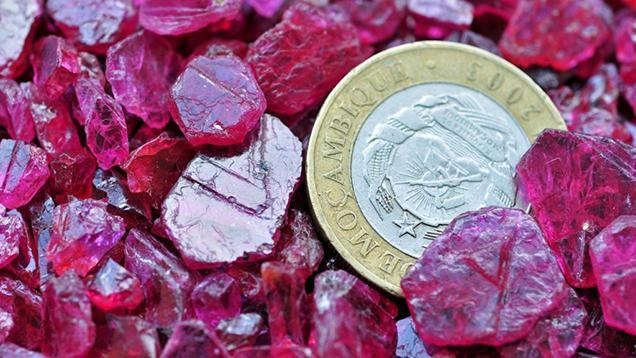
Discover Mozambique’s Montepuez Ruby Mine with GIA’s Field Gemologists
See inside the world’s most productive ruby mining operation with GIA’s field gemology team.
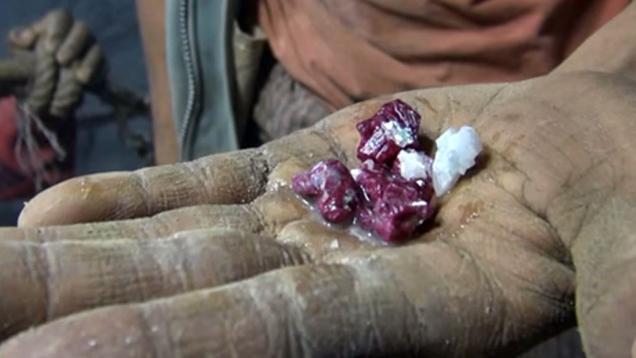
GIA Field Gemologists Seek Ruby in Mogok, Myanmar
Venture into Mogok, Myanmar, in search of ruby with GIA’s field gemologists.


