
◂ BACK TO GEM ENCYCLOPEDIA
Turquoise
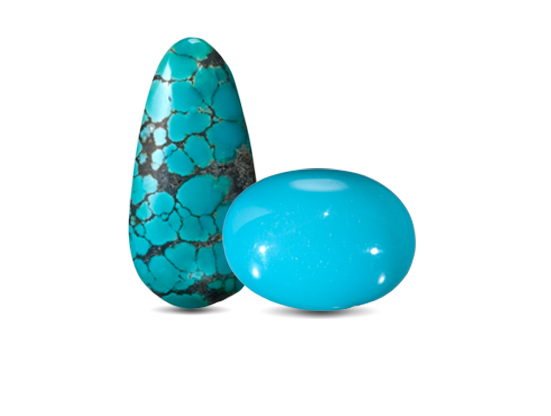
Azure sky, robin’s egg blue: Vivid shades of turquoise define the color that’s named after this gem.
See Gem As
Tools
Research
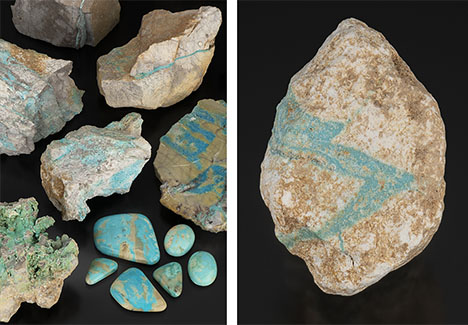
An Evaluation of Turquoise from the Mona Lisa Mine in Arkansas
Examines samples of Mona Lisa turquoise to identify their chemistry and structure, revealing copper as a major elemental component of the material.
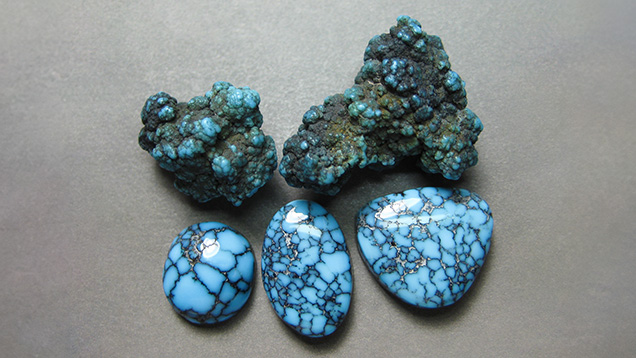
Out of Our Mines
An impressive variety of American stones, including turquoise and variscite, was offered by Out of Our Mines at the AGTA show.
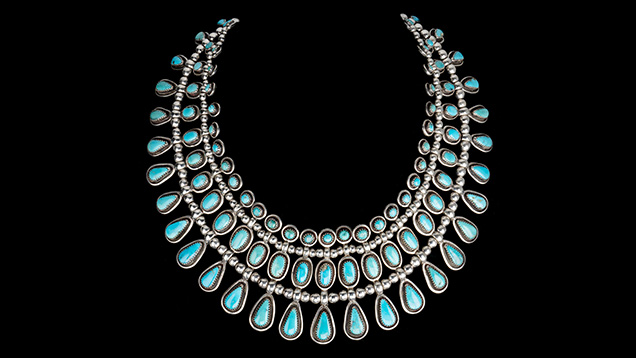
Patania Jewelry
A look at the diverse jewelry designs from four generations of the Patania family.
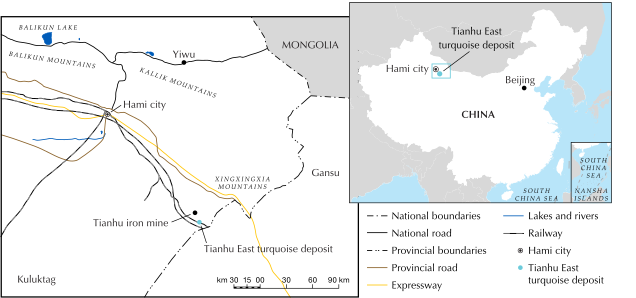
Mineralogy and Geochemistry of Turquoise from Tianhu East, Xinjiang, China
Examines turquoise from northern China and identifies a geographic origin indicator to distinguish it from other Chinese sources.

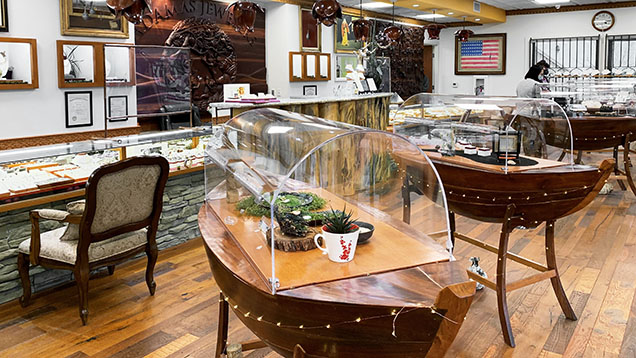
Never Stop Innovating: Gem Artist Chi Huynh
Profiles a groundbreaking gem artist on a quest to bring new concepts, techniques, and products to the industry.
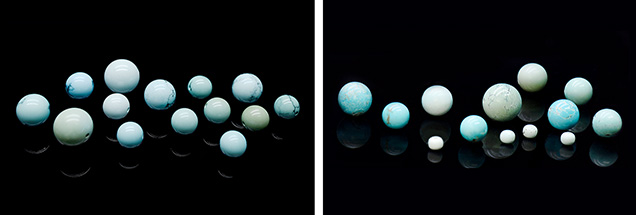
Composition and Spectral Characteristics of Porcelain-Treated Turquoise
Characterizes turquoise treated with an inorganic additive that dramatically improves the luster and color of low- and medium-quality material.
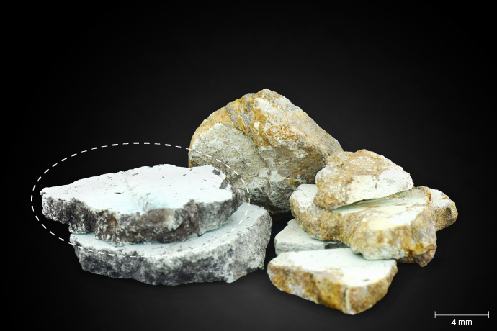
Gemological Characteristics of Low-Temperature “Gel-Filled” Turquoise
A report on the examination of “gel-filled” turquoise produced in Zhushan County in Hubai Province, China.
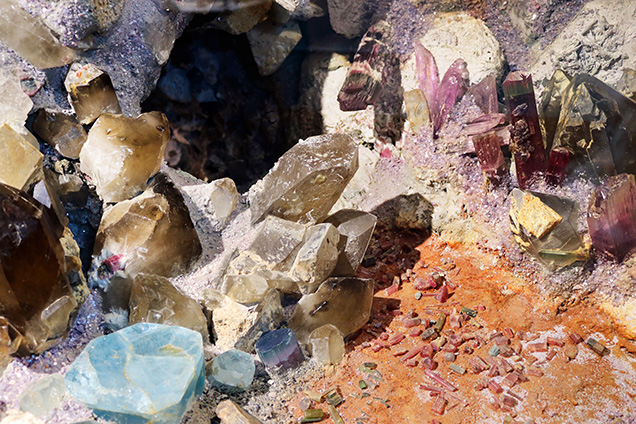
Hidden Gems at the San Diego Natural History Museum
Each level of the vertical Hidden Gems exhibit offers a different theme at the San Diego Natural History Museum.
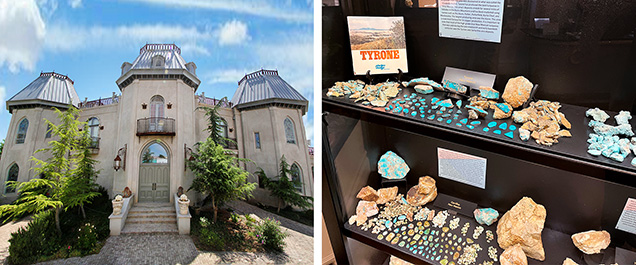
Inaugural Turquoise United Conference
A report on the first-ever Turquoise United conference in Albuquerque, New Mexico.
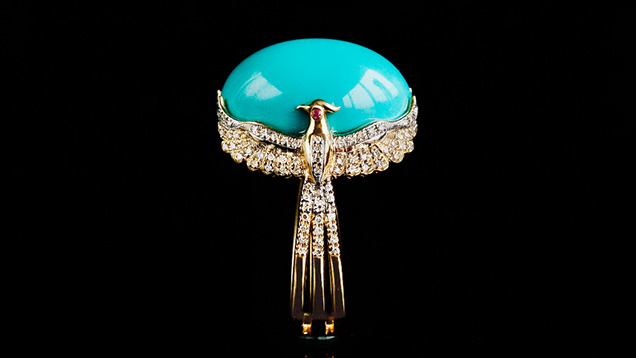
Persian Turquoise: The Ancient Treasure of Neyshabur
Reports on the geology, background, and current state of mining and production at Iran’s largest turquoise mine.
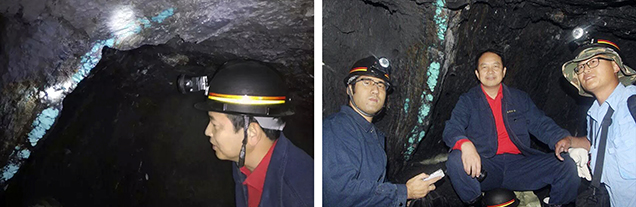
Unique Raindrop Pattern of Turquoise from Hubei, China
Presents spectroscopic and chemical analysis of a new variety of turquoise with a rare raindrop pattern with saturated colors.